Branding and design serve as the heartbeat of any successful business, playing a crucial role in how companies convey their identity and values to the world. From creating a memorable logo to crafting a compelling narrative, these elements work in harmony to shape perceptions and foster connections with consumers.
In this exploration of branding and design, we will delve into the fundamental principles that guide effective branding strategies, the significance of visual elements, and the impact of digital media. You’ll uncover the essential components that make up a strong brand and learn how to navigate the challenges that come with building and maintaining a cohesive identity.
Branding Fundamentals
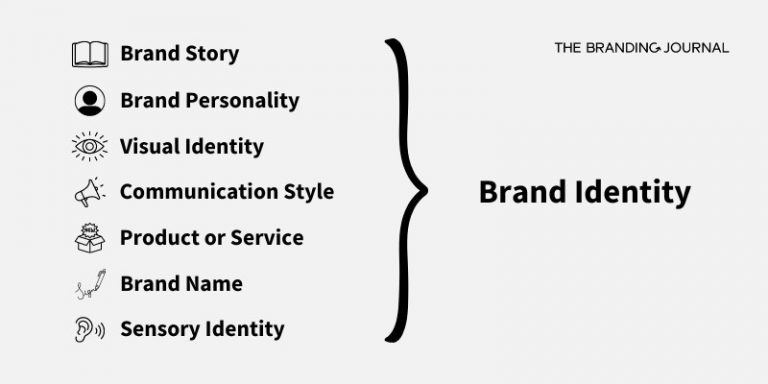
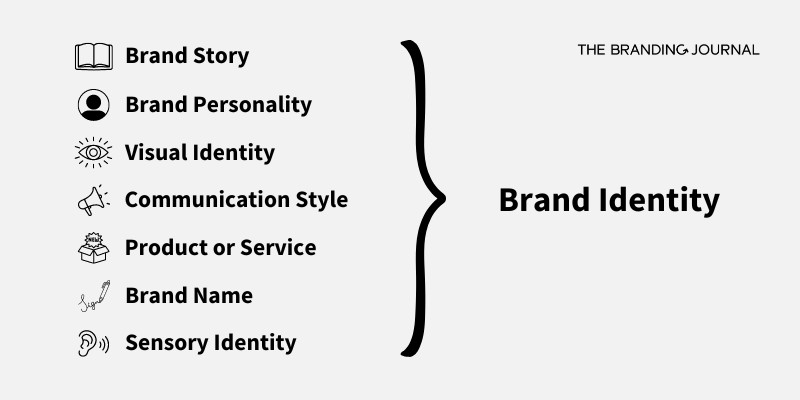
Branding is more than just a logo or a catchy tagline; it’s the essence of what a business stands for and how it connects with its audience. The importance of branding in business lies in its ability to create recognition, build trust, and foster customer loyalty. A strong brand can differentiate a company from its competitors, making it a crucial element for success in any market.A successful brand identity is built on several key components that work together to convey the company’s vision and values.
These elements not only help in communicating the brand’s message but also create a lasting impression in the minds of consumers.
Key Components of a Successful Brand Identity
Understanding the key components of brand identity is essential for any business aiming to establish a strong market presence. These components include:
- Logo: The visual symbol of the brand, which should be memorable and represent the brand’s personality.
- Color Palette: A carefully chosen set of colors that evoke specific emotions and convey brand values.
- Typography: Fonts and typefaces that reflect the brand’s character and enhance readability.
- Voice and Tone: The style in which the brand communicates, influencing how the audience perceives the brand.
- Imagery: Photos and graphics that align with the brand’s identity and resonate with the target audience.
- Brand Guidelines: A documented framework that Artikels how the brand should be presented across various platforms to maintain consistency.
Each of these elements plays a significant role in shaping the overall perception of the brand and guiding its interactions with customers.
The Role of Storytelling in Branding Strategies
Storytelling is a powerful tool in branding, enabling businesses to connect with their audience on a deeper emotional level. A well-crafted brand story conveys the mission, values, and unique aspects of the brand, making it more relatable and memorable. By leveraging storytelling, brands can create a narrative that resonates with their audience, fostering a sense of belonging and loyalty. Important aspects of storytelling in branding include:
- Authenticity: Genuine stories build trust and foster a deeper connection with consumers.
- Emotional Engagement: Stories can evoke emotions, making the brand more memorable.
- Brand Values: Storytelling allows brands to communicate their core values and mission effectively.
- Customer Experiences: Sharing customer stories can enhance relatability and demonstrate the brand’s impact.
- Inspiration: Inspiring stories can motivate customers to engage with and support the brand.
Incorporating storytelling into branding strategies not only enhances the brand’s identity but also creates a loyal customer base that feels connected to the brand’s journey.
Design Principles
Design principles are fundamental guidelines that shape the visual aspects of branding and establish a cohesive identity. These principles aid in creating designs that are not only aesthetically pleasing but also functional and effective in conveying a brand’s message. Understanding and implementing these principles can significantly enhance brand recognition and consumer engagement.
Essential Design Principles Impacting Branding
Several key design principles play a crucial role in branding, including alignment, contrast, repetition, and proximity. Each of these principles contributes to a unified and appealing visual language for a brand.
- Alignment: This principle ensures that elements are arranged in relation to each other, creating a sense of order. Proper alignment can guide the viewer’s eye and improve the overall flow of information.
- Contrast: Utilizing contrast effectively helps distinguish between different elements, enhancing readability and visual interest. High contrast between text and background can elevate the brand’s message.
- Repetition: Repeating design elements reinforces consistency across various brand touchpoints. This includes using the same colors, fonts, and motifs, creating a cohesive brand experience.
- Proximity: Grouping related elements together aids in organizing information and clarifying relationships. This can lead to a more intuitive understanding of the brand’s offerings.
Color Theory and Its Significance in Brand Design
Color theory is a vital aspect of design that influences emotions and perceptions. Different colors evoke specific feelings and associations, making it essential for brands to choose their color palettes wisely. Each color can convey a different message:
- Red: Often associated with passion and energy, red can invoke feelings of excitement and urgency, making it a popular choice for food and beverage brands.
- Blue: This color evokes a sense of trust and professionalism, frequently used by financial institutions and tech companies to instill confidence in their services.
- Green: Symbolizing nature and health, green is commonly used by brands aiming to convey sustainability and organic practices.
- Yellow: Associated with optimism and clarity, yellow can attract attention but should be used sparingly to avoid overwhelming the viewer.
Selecting an appropriate color palette not only enhances aesthetic appeal but also strengthens brand identity. For example, brands like Starbucks and Tropicana leverage green and orange, respectively, to make emotional connections with their target audience.
The Importance of Typography in Creating Brand Recognition
Typography serves as a critical element of branding, impacting how messages are perceived and remembered. The choice of typeface, size, and spacing can significantly affect legibility and brand personality.A few key aspects of typography include:
- Font Selection: The typeface chosen can convey various attributes of a brand. Serif fonts often project traditional and reliable qualities, while sans-serif fonts are seen as modern and clean.
- Hierarchy: Effective typography establishes a visual hierarchy, guiding the reader’s attention to the most important information first, which enhances comprehension.
- Consistency: Maintaining consistent typography across all branding materials creates a cohesive identity. Brands like Coca-Cola and Google utilize unique typography to reinforce their brand image.
The right combination of typography can elevate brand recognition, making it easier for consumers to associate specific fonts with particular brands, ultimately influencing their purchasing decisions.
Brand Strategy Development
Developing a robust brand strategy is essential for any business aiming to establish its identity in the marketplace. A well-crafted brand strategy not only defines what your brand stands for but also guides your business’s decisions, messaging, and customer interactions. It serves as a roadmap, helping you to connect with your audience and differentiate yourself from competitors.Building a brand strategy involves several key steps that ensure your brand resonates with your target market while aligning with your company’s goals.
It’s important to dive deep into understanding your audience, your competitors, and your unique value proposition.
Step-by-Step Guide to Developing a Brand Strategy
Creating a brand strategy is a systematic process that can significantly influence the success of your brand. Below are the essential steps to guide you through effective brand strategy development:
- Define Your Brand Purpose: Understand the core mission of your brand. What value do you bring to your customers? Why does your brand exist beyond making a profit?
- Identify Your Target Audience: Research who your ideal customers are, their preferences, and their needs. This understanding will help tailor your branding efforts.
- Analyze Competitors: Study your competitors to identify their strengths and weaknesses. This analysis helps in carving out your unique positioning.
- Craft Your Brand Message: Develop a clear and compelling message that communicates your brand’s values, mission, and what sets you apart from others.
- Choose Your Brand Aesthetics: Decide on visual elements such as logo, color palette, and typography that will represent your brand and resonate with your audience.
- Develop a Brand Voice: Establish a tone of voice that reflects your brand’s personality and aligns with your audience’s expectations, whether it’s professional, casual, or friendly.
- Implement Your Brand Strategy: Launch your branding initiatives across various platforms, ensuring consistency in messaging and visuals.
- Monitor and Adapt: Continuously evaluate your brand’s performance through customer feedback and market trends, and be prepared to make adjustments as necessary.
Examples of Successful Brand Repositioning Efforts
Brand repositioning can breathe new life into a brand, allowing it to adapt to changing market conditions and consumer perceptions. Here are notable examples where brands successfully repositioned themselves:
- Old Spice: Originally perceived as an outdated brand for older men, Old Spice repositioned itself through humorous advertising campaigns targeting younger consumers, resulting in a significant increase in sales and brand engagement.
- Mailchimp: Initially a simple email marketing tool, Mailchimp evolved into a comprehensive marketing platform. Their rebranding focused on creativity and supporting small businesses, successfully attracting a broader audience.
- Dunkin’ (formerly Dunkin’ Donuts): The brand simplified its name to focus on coffee and its broader menu options, emphasizing its commitment to a fast, convenient experience for customers on the go.
Methods for Conducting Market Research
Market research is a critical component in shaping your brand strategy. It informs you about your audience and competitiveness, allowing for better decision-making. Employing various methods can yield valuable insights:
- Surveys and Questionnaires: These tools can gather quantitative data from users about their preferences, behaviors, and perceptions regarding your brand.
- Focus Groups: Engaging small groups of your target audience allows for qualitative insights through discussions, exploring attitudes and feelings towards your brand.
- Competitor Analysis: Evaluate competitors’ positioning, strengths, weaknesses, and customer feedback to identify market opportunities and threats.
- Social Media Listening: Monitor social media platforms to gauge public sentiment and discussions about your brand and its competitors.
- Website Analytics: Utilize tools to analyze visitor behavior on your website, identifying what content resonates with your audience and which areas need improvement.
Visual Branding Elements
Visual branding encompasses a variety of elements that collectively shape the identity and perception of a brand in the minds of consumers. These elements work together to create a cohesive and recognizable image that distinguishes a brand from its competitors. Understanding these components is crucial for effective brand representation across various channels.Key elements of visual branding include logos, color palettes, typography, imagery, and graphic styles.
Each element plays a significant role in conveying a brand’s message and values. Together, they form an integrated visual system that can enhance brand recognition and loyalty.
Importance of Logo Design
A logo serves as the cornerstone of a brand’s visual identity. It is often the first impression consumers have of a brand and can significantly influence their perceptions and feelings towards it. An effective logo is memorable, versatile, and appropriate for the brand it represents.For example, the Nike swoosh is a simple yet powerful logo that embodies motion and speed.
Similarly, the Apple logo, an iconic silhouette of an apple with a bite taken out, signifies innovation and sophistication. These logos are not only visually appealing but also resonate deeply with the brand’s values and audience.A well-designed logo should possess the following characteristics:
- Memorability: It should be easily recognizable and stick in consumers’ minds.
- Versatility: It must work across various mediums and sizes, from business cards to billboards.
- Timelessness: The design should endure trends and remain relevant over time.
- Appropriateness: It should align with the brand’s overall identity and target audience.
Brand Consistency Across Different Platforms
Maintaining brand consistency is vital for building trust and credibility with consumers. It ensures that all visual elements, from logos to color schemes, are uniform across different platforms, such as websites, social media, packaging, and advertisements. Consistency reinforces brand recognition and helps create a cohesive experience for consumers.To achieve brand consistency, brands should adhere to the following guidelines:
- Develop a Style Guide: Create a comprehensive document outlining logo usage, color codes, typography, and other visual elements.
- Train Employees: Ensure that all team members understand and implement the branding standards set forth in the style guide.
- Regular Audits: Conduct periodic reviews of all marketing materials to ensure they align with the established brand identity.
In summary, effective visual branding is a combination of well-thought-out elements that create a distinct identity for a brand. A strong logo and consistent brand representation across platforms not only enhance visibility but also foster loyalty among consumers.
Digital Branding and Design
Digital branding and design have transformed how businesses connect with their audiences. In today’s digital landscape, the importance of a strong brand presence online cannot be overstated. With the proliferation of social media, websites, and digital marketing, brands must evolve to maintain relevance and engage effectively with their target market.The impact of digital media on branding efforts is profound. As consumers increasingly rely on digital platforms for information and shopping, the way brands present themselves online can significantly influence perceptions and purchasing decisions.
A cohesive digital identity that resonates across various platforms enhances brand recognition and loyalty.
Best Practices for Website Branding and Design
Implementing effective branding strategies on your website is crucial for creating a strong first impression. Below are key best practices to consider for website branding and design:
1. Consistent Visual Identity
Ensure that your website’s colors, fonts, and imagery align with your overall brand identity. This consistency helps reinforce brand recognition.
2. User-Friendly Navigation
A well-organized website structure enables users to find information quickly, enhancing their experience and encouraging longer visits.
3. Responsive Design
With the increasing use of mobile devices, having a responsive design is essential. Your site should function seamlessly on any device, ensuring accessibility for all users.
4. Clear Call-to-Action (CTA)
Strategically placed CTAs guide visitors toward desired actions, such as signing up for newsletters or making purchases, thereby improving conversion rates.
5. Engaging Content
Use compelling visuals and informative content that reflects your brand’s voice. This content should engage users and encourage them to explore further.
6. Loading Speed
A fast-loading website reduces bounce rates and improves user satisfaction, which is crucial for retaining visitors.
Strategies for Maintaining Brand Identity on Social Media
Social media platforms offer unique opportunities for brands to engage with audiences and build a community. However, maintaining brand identity across these platforms requires thoughtful strategies.
Unified Voice and Tone
Ensure that communication on all platforms reflects the same brand voice and tone. This uniformity helps create a recognizable personality that resonates with followers.
Visual Consistency
Use the same logo, color scheme, and imagery across all social media profiles. This visual consistency strengthens brand recognition.
Engagement and Interaction
Actively engage with your audience through comments, messages, and posts. Authentic interactions foster loyalty and trust, reinforcing brand identity.
Content Strategy
Develop a content calendar that aligns with your brand values and marketing goals. This strategy ensures that all posts contribute to your overall brand narrative.
Monitor and Adapt
Regularly assess audience reactions and engagement metrics to understand what resonates with your followers. Adapting your approach based on this feedback ensures ongoing relevance and connection.
“In the digital age, your brand is no longer what you say it is, but what your audience perceives it to be.”
Branding Challenges and Solutions
Branding and design are crucial for establishing a strong market presence, yet they come with their own set of challenges. Businesses often find themselves navigating through a variety of obstacles that can impact their brand identity and customer perception. Understanding these challenges and developing effective solutions is key to maintaining a resilient brand.
Common Challenges Faced in Branding and Design
Several challenges frequently arise in the world of branding and design. These challenges can hinder a brand’s growth and effectiveness if not properly addressed. Here are some of the most common ones:
- Inconsistent Brand Messaging: A lack of uniformity in communications can confuse customers and dilute brand identity.
- Adapting to Market Changes: Rapid shifts in consumer preferences and market dynamics require brands to be adaptable and responsive.
- Brand Awareness: Establishing recognition and visibility in a crowded market can be difficult for new or evolving brands.
- Negative Customer Perception: Poor customer experiences or brand controversies can lead to lasting damage to a brand’s reputation.
- Resource Constraints: Limited budgets and manpower can restrict branding initiatives, especially for small businesses.
Strategies for Overcoming Brand Identity Crises
Navigating a brand identity crisis can be daunting, but implementing strategic measures can help restore confidence and clarity. Here are effective strategies to consider:
- Conduct a Brand Audit: Evaluate current brand perceptions through surveys and social media monitoring to identify the issues impacting your identity.
- Refine Brand Positioning: Clearly articulate the unique value proposition of your brand, ensuring it resonates with your target audience.
- Enhance Communication: Engage transparently with your audience, addressing concerns and sharing updates to rebuild trust.
- Focus on Consistency: Ensure all marketing channels and materials reflect a cohesive brand image and messaging.
- Seek Professional Help: Consider hiring branding experts or agencies to guide the rebranding process and implement effective strategies.
Integrating Customer Feedback into Branding Efforts
Customer feedback is a valuable resource that can significantly influence branding strategies. Here are ways to effectively integrate this feedback into your branding efforts:
- Surveys and Polls: Regularly conduct surveys to gather insights on customer perceptions, preferences, and suggestions for improvement.
- Social Media Listening: Monitor social media channels to understand customer sentiments and engage with them directly to address their concerns.
- Feedback Loops: Establish mechanisms for continuous feedback, ensuring customers feel heard and valued, which enhances loyalty.
- Adjust Branding Strategies: Use insights from customer feedback to tweak branding strategies, products, or services to better align with customer expectations.
- Showcase Testimonials: Highlight positive customer feedback in marketing materials to build credibility and attract new customers.
Customer feedback is not just a voice; it is the compass guiding your brand toward success.
Future Trends in Branding and Design
As we move forward into a rapidly evolving marketplace, brands and designers need to anticipate changes that are shaping the future of branding and design. Staying ahead of these trends is crucial for businesses to maintain relevance and connect meaningfully with their audience. This segment explores key emerging trends, groundbreaking branding campaigns, and the increasing significance of sustainability in branding practices.
Emerging Trends in Branding and Design
Numerous trends are gaining traction in the branding and design landscape. Brands are adopting innovative approaches to capture consumer attention and loyalty. These trends include:
- Personalization: Brands are increasingly leveraging data analytics to deliver personalized experiences, tailoring products and marketing messages to individual preferences.
- Minimalism: A move towards cleaner, simpler designs helps brands communicate their messages more effectively, focusing on what truly matters to their audience.
- Augmented Reality (AR): Integrating AR into branding allows consumers to interact with products in a virtual space, enhancing engagement and providing a memorable experience.
- Brand Activism: Consumers expect brands to take a stand on social issues, leading to a rise in campaigns that reflect values and contribute to positive change.
Innovative Branding Campaigns
Recent years have seen remarkable branding campaigns that exemplify creativity and effectiveness. These campaigns stand out for their unique approaches and strong audience connections.
- Always’ #LikeAGirl: This campaign challenged gender stereotypes and empowered young girls, resonating deeply with both women and men.
- Dove’s Real Beauty: Dove’s campaign featured diverse models of all shapes and sizes, redefining beauty standards and fostering inclusivity.
- Nike’s “Dream Crazy”: Featuring Colin Kaepernick, this campaign showcased a commitment to social justice and encouraged consumers to believe in themselves.
The Role of Sustainability in Modern Branding Practices
Sustainability has become a cornerstone of branding strategy, as consumers increasingly prefer brands that demonstrate environmental responsibility. Companies are adopting sustainable practices not only to reduce their ecological footprint but also to enhance their brand image.
- Eco-friendly Products: Brands like Patagonia lead the way with products made from recycled materials, emphasizing quality and sustainability.
- Transparent Supply Chains: Businesses are sharing their supply chain practices to build trust with consumers, demonstrating ethical sourcing and production.
- Carbon Neutrality: Companies such as IKEA are committing to becoming carbon neutral, appealing to eco-conscious consumers and enhancing brand loyalty.
“Brands that prioritize sustainability are not just doing good; they are positioning themselves for long-term success as consumers increasingly make choices based on values.”
Outcome Summary
As we wrap up our discussion on branding and design, it’s clear that these elements are more than just aesthetic choices; they are vital components that can propel a business to new heights. By understanding the intricacies of branding and design, companies can effectively communicate their messages, engage their audiences, and adapt to changing market trends.
Detailed FAQs
What is the importance of branding?
Branding helps businesses establish their identity, differentiate themselves from competitors, and build customer loyalty.
How can storytelling enhance branding?
Storytelling creates emotional connections with consumers, making brands more relatable and memorable.
What role does color play in branding?
Colors evoke emotions and perceptions, influencing how a brand is perceived in the market.
What are common challenges in branding?
Common challenges include maintaining brand consistency, evolving with market trends, and managing consumer feedback.
How is digital branding different from traditional branding?
Digital branding leverages online platforms and technologies to reach and engage audiences, allowing for more interactive and dynamic connections.