June 1, 2026

branding

Branding iron letters font has a unique charm that captures attention and conveys a sense of craftsmanship. This distinctive typeface not only has historical roots but also serves a practical purpose in contemporary branding.

From the vintage workshops of the past to the modern marketing strategies of today, branding iron letters fonts have evolved, showcasing various styles and materials that cater to diverse industries. Understanding this font’s significance can enhance brand identity and recognition.

Understanding Branding Iron Letters Font

The branding iron letters font is a unique typographic style that captures the essence of craftsmanship and tradition. Originating from the practice of branding livestock, these fonts evoke a sense of ruggedness and authenticity, often linked to artisan methods and heritage. Over the years, they have been adapted for various design purposes, symbolizing strength and reliability.Branding iron letters fonts are characterized by their bold and distinctive aesthetics, resembling the marks left by a heated metal brand.

This font style has historical significance as it reflects the identity of ranchers and artisans, marking ownership or craftsmanship. The evolution of this font has led to multiple styles and variations, each catering to different design needs and contexts.

Styles and Variations of Branding Iron Letters Fonts

Branding iron letters fonts come in several styles that cater to various aesthetic preferences and applications. Each style holds its own unique characteristics, which can influence the message conveyed through design. The following are some notable styles and variations:

  • Rustic Style: This style embodies a rugged and worn appearance, often featuring distressed edges and uneven surfaces, giving it an authentic, handcrafted feel.
  • Modern Style: A more polished and clean interpretation, modern branding iron fonts maintain the boldness of traditional forms while incorporating contemporary design elements.
  • Decorative Style: These fonts often include embellishments and intricate details that enhance their visual appeal, making them suitable for artistic and decorative purposes.
  • Condensed Style: This variation features narrower character designs, allowing for space-efficient text that still retains the branding iron effect.

Materials Used in Creating Branding Iron Letters Fonts

The manufacturing of branding iron letters fonts typically involves specific materials that play a crucial role in defining their durability and design. Understanding these materials is essential for appreciating the quality and craftsmanship involved.The most common materials include:

  • Metal: Traditionally, branding irons were made from steel or bronze, which provide strength and longevity, essential for creating lasting impressions.
  • Wood: Some fonts are crafted from wood, often used in creating stamps or presses for printing, offering a different texture and aesthetic.
  • Plastic: Modern adaptations may utilize high-quality plastics for versatility and cost-effectiveness while still maintaining a professional appearance.

“The choice of material significantly influences the final look and feel of branding iron letters, reflecting both tradition and innovation in design.”

Applications of Branding Iron Letters Font

Importance of Developing a Strong Brand Identity in the Digital Age ...

Branding iron letters fonts are versatile and impactful, making them a popular choice across various industries. Their rugged and bold appearance often evokes a sense of authenticity and tradition, making them ideal for businesses looking to create a strong brand identity. In this section, we will explore the various applications of this unique font style, demonstrating how it can be effectively integrated into business branding strategies and its effect on product marketing.

Industries Utilizing Branding Iron Letters Fonts

Branding iron letters fonts are widely adopted in several industries due to their distinctive aesthetic. Below are a few examples of industries where this font style is commonly utilized:

  • Food and Beverage: Restaurants and breweries often use branding iron letters to convey a rustic, homemade feel, appealing to consumers seeking authenticity. For instance, craft beer labels frequently incorporate these fonts to emphasize traditional brewing methods.
  • Retail: Retail stores, especially those focusing on handmade or artisanal products, use branding iron letters to create a unique and memorable shopping experience. This font can be seen in boutique signage and product packaging.
  • Home Decor: Businesses that specialize in rustic or vintage home decor frequently adopt branding iron letters to enhance the aesthetic appeal of their products, reinforcing themes of craftsmanship and tradition.
  • Automotive: Companies in the automotive sector often use branding iron letters to evoke a sense of ruggedness and durability associated with vehicles, particularly in marketing materials and promotional items.

Integrating Branding Iron Letters Fonts into Business Branding Strategies

Incorporating branding iron letters fonts into business branding strategies can significantly enhance brand recognition and appeal. Here are effective methods to consider:

  • Logo Design: Integrating branding iron letters into logo design helps create a memorable visual identity. Companies can use these fonts to craft logos that resonate with their target audience, especially those valuing authenticity.
  • Packaging: Utilizing branding iron letters on product packaging can make items stand out on shelves. For example, food products packaged with this font can suggest a homemade quality, appealing to consumers looking for artisanal goods.
  • Website Design: Implementing branding iron letters in web design can add a touch of personality to a business’s online presence. This visual element can create a cohesive brand experience across both physical and digital spaces.
  • Marketing Collateral: Brochures, business cards, and flyers using branding iron letters can attract attention and convey a brand’s unique voice. This approach can enhance the likelihood of consumer engagement and retention.

Impact of Branding Iron Letters Fonts on Product Marketing

The use of branding iron letters fonts can significantly influence product marketing strategies. Their bold, distinctive appearance allows brands to differentiate their offerings in a crowded marketplace. This section Artikels the impact of using this font style:

  • Brand Differentiation: By using branding iron letters, businesses can establish a unique brand identity that sets them apart from competitors. This differentiation is crucial in industries inundated with similar products.
  • Emotional Connection: The rustic appeal of branding iron letters can evoke nostalgia and authenticity, fostering a stronger emotional connection with consumers. Brands that tap into these sentiments can enhance customer loyalty and advocacy.
  • Visual Recognition: Consistent use of branding iron letters across various marketing materials aids in visual recognition. Consumers are more likely to remember a brand that employs unique typography effectively.
  • Perceived Quality: Products marketed with branding iron letters often project a sense of quality and craftsmanship, encouraging consumers to perceive higher value and make purchases based on those perceptions.

Designing Custom Branding Iron Letters Font

Creating a custom branding iron letters font involves a detailed and creative process that combines artistry and technical skills. This task not only requires a strong understanding of typography but also an insight into the practical applications of the branding iron itself. Crafting a font that is both visually appealing and functional is essential for achieving effective branding.The design process typically begins with conceptualization.

Designers sketch out ideas, considering the brand’s identity and the message it wants to convey through the branding iron. During this phase, it’s crucial to address various elements, such as the font’s style, size, and the material that will be used for the branding iron itself.

Guidelines for Selecting Size and Style

Choosing the right size and style for branding iron letters is vital for ensuring that the final product is effective and legible. The following guidelines help in making these selections:

1. Brand Identity

The size and style should reflect the brand’s personality. For instance, a luxury brand might opt for elegant, slender letters, while a more rugged brand may choose bold, thicker letters.

2. Application Surface

Consider the material and texture of the surface where the branding will be applied. Smooth surfaces allow for finer details, whereas rough surfaces might require larger, bolder fonts for visibility.

3. Readability

The font must be easily readable from a distance. A general rule is that the height of the letters should be at least 1/8 of the distance from which the branding will be viewed.

4. Durability

The chosen style should withstand wear and tear, especially if the branding iron will be used frequently. Simpler designs tend to hold up better over time.

Using Software Tools for Font Creation

There are several software tools available for creating custom branding iron letters fonts, each offering unique features that facilitate the design process. Popular tools include Adobe Illustrator, FontForge, and Glyphs. Here’s how to effectively utilize these tools:

Adobe Illustrator

Use this vector graphics software to create precise letter shapes. Begin with a basic sketch and use the pen tool to trace the letters. Once completed, adjust the paths for smoothness and uniformity. Illustrator’s grid and alignment tools help maintain consistency across all characters.

FontForge

This open-source font editor is particularly useful for creating scalable fonts. Import your designs from Illustrator, and use FontForge to adjust the kerning, spacing, and other typographic features. You can also export the font in various formats, which is useful for different applications.

Glyphs

For Mac users, Glyphs provides a user-friendly interface for font design. It allows for the easy creation of custom glyphs, and offers features like automatic spacing and kerning adjustments. Start by designing individual characters and then use the contextual features to enhance their functionality.In summary, designing custom branding iron letters fonts is a multifaceted process that requires careful consideration of style, size, and application.

By adhering to the provided guidelines and utilizing software tools effectively, designers can create a font that not only represents the brand but also performs well in practical scenarios.

Legal Considerations in Branding Iron Letters Font

When diving into the world of branding iron letters fonts, it’s essential to navigate the legal landscape to protect your creative work. From trademark issues to the significance of originality and copyright, understanding these legal considerations can help safeguard your designs and brand identity.Trademark protection is crucial when it comes to branding iron letters fonts. A trademark can be a word, symbol, or a combination of both that distinguishes goods and services of one party from those of others.

Protecting your font design as a trademark means you can prevent others from using similar designs that could confuse customers. It’s an effective way to maintain your brand’s uniqueness and integrity.

Trademark Issues Related to Branding Iron Letters Fonts

Trademark issues often arise when a font is used in a way that could mislead consumers about the source of a product. Here are some key points to keep in mind regarding trademarks and branding iron letters fonts:

  • Distinctiveness: For a font to qualify for trademark protection, it must be distinctive. This means it should not be generic or merely descriptive of the products it represents.
  • Likelihood of Confusion: When registering a trademark, it’s vital to evaluate whether your font could be confused with an existing trademark. Conduct thorough searches to avoid potential legal disputes.
  • Use in Commerce: Trademarks must be used in commerce to be registered. This means the branding iron letters font should be actively used on products or services that are offered for sale.

Importance of Originality and Copyright in Font Design

Originality is a cornerstone in the creation of branding iron letters fonts. A font that is original and not a derivative of existing works can be protected under copyright law. Copyright grants the creator exclusive rights to reproduce, distribute, and display their work. Here’s why originality matters:

  • Protects Your Creativity: Original designs ensure that your creative efforts are recognized and rewarded, preventing others from exploiting your work without permission.
  • Legal Recourse: If someone infringes on your copyrighted font, having clear evidence of originality can support legal claims against unauthorized use.
  • Marketability: Unique fonts are more marketable, often translating to better brand recognition and customer loyalty.

Registering a Branding Iron Letters Font as a Trademark

The process of registering a branding iron letters font as a trademark can streamline your brand protection strategy. Below are the essential steps involved in the registration process:

  • Choose a Unique Design: Ensure that your font design is unique and distinguishable from others in the marketplace.
  • Conduct a Trademark Search: Before filing, conduct a search for existing trademarks to ensure your design does not infringe on someone else’s rights.
  • File a Trademark Application: Submit your application to the relevant trademark office. Include a detailed description of your font and how it will be used in commerce.
  • Respond to Office Actions: Be prepared to respond to any inquiries or objections from the trademark office regarding your application.
  • Monitor and Maintain Your Trademark: Once registered, actively monitor the market for any potential infringement and renew your trademark as required.

“Trademarking your branding iron letters font is not just a legal safeguard; it’s a vital step in building a strong brand identity.”

Trends in Branding Iron Letters Font

The landscape of branding iron letters fonts is continuously evolving, influenced by both technological advancements and shifting consumer preferences. As businesses seek to create unique identities, understanding current trends is essential for effective branding.The contrast between traditional and modern branding iron letters fonts highlights an impressive evolution in design philosophy. Traditional fonts often emphasize rustic charm and authenticity, drawing inspiration from historical practices.

In contrast, modern approaches prioritize minimalism, versatility, and the integration of digital design techniques, allowing for more intricate and customizable options. This shift reflects a broader trend in design where innovation meets nostalgia, creating a unique blend that appeals to diverse audiences.

Current Trends Influencing Branding Iron Letters Fonts

Several trends are shaping the design of branding iron letters fonts today. These trends include:

  • Minimalist Design: A growing preference for clean, simple designs that ensure clarity and focus on brand messaging.
  • Customization: Brands are increasingly opting for bespoke fonts that reflect their unique identity, allowing for personal touches.
  • Vintage Aesthetics: A resurgence of interest in retro styles, where fonts evoke a sense of nostalgia while appealing to modern sensibilities.
  • Bold Typography: The use of stronger, more pronounced lettering that captures attention and conveys confidence.
  • Digital Integration: The incorporation of typography into digital platforms, requiring fonts that are adaptable to both print and online uses.

Comparison of Traditional and Modern Approaches

Analyzing the differences between traditional and modern branding iron letters fonts reveals distinct characteristics in their design.

Aspect Traditional Approaches Modern Approaches
Design Complexity Often intricate and ornate Simplified, focusing on clarity
Customization Limited options, often pre-defined styles Highly customizable, tailored to brand needs
Material Influence Reflects the physical nature of branding irons Digital-first, accommodating both online and print
Visual Impact Emphasizes tradition and craftsmanship Prioritizes contemporary aesthetics and brand relevance

Popular Branding Iron Letters Fonts Today

The selection of branding iron letters fonts available today reflects the diverse tastes of modern consumers. Popular choices include:

  • Old English: Known for its ornate style, often used to convey tradition and heritage.
  • Gothic Fonts: These fonts are characterized by their bold, dramatic lines, suitable for brands wanting to establish a strong visual presence.
  • Sans Serif Fonts: Clean and modern, these fonts offer versatility and readability, making them ideal for contemporary branding.
  • Script Fonts: Often used to evoke elegance and sophistication, script fonts can add a personal touch to branding efforts.
  • Custom Display Fonts: Unique designs created specifically for brands, reflecting their personality and values.

Maintenance and Care for Branding Irons

Maintaining branding irons is essential for ensuring their effectiveness and longevity. Proper care can enhance the quality of branding letters and keep them in optimal condition for repeated use. Here, we will explore some practical tips for maintaining branding iron letters, including cleaning methods and suitable storage solutions.

Quality Maintenance Tips

Regular maintenance is crucial for preserving the integrity and performance of branding irons. Here are some key practices:

  • Regular Inspection: Periodically check your branding irons for any signs of wear or damage. Look for cracks, rust, or any other deformities that could affect their performance.
  • Temperature Control: When heating branding irons, ensure that they reach the recommended temperature without overheating. Overheating can cause warping or damage to the metal.
  • Proper Usage: Always use branding irons as intended. Avoid applying excessive pressure or using them on unsuitable materials which could harm both the iron and the item being branded.

Cleaning Methods and Best Practices

Keeping branding irons clean is vital for preserving their functionality and appearance. Here are effective cleaning methods:

  • Immediate Cleaning: After use, clean the branding iron while it’s still warm. This helps to remove any residue that may have burned onto the surface.
  • Use of Soft Cloths: Employ soft, non-abrasive cloths for wiping down your branding irons to avoid scratches and keep the surfaces smooth.
  • Soaking in Soapy Water: For tough residue, soak the branding iron in warm, soapy water for a few minutes. After soaking, gently scrub with a soft brush to remove stubborn debris.
  • Dry Thoroughly: After cleaning, ensure the branding iron is dried completely to prevent rust formation. Use a heat source or a cloth to dry it properly.

Storage Solutions for Longevity

Proper storage is essential to prevent damage to branding irons. Here are some effective storage tips:

  • Cool, Dry Place: Store branding irons in a cool, dry environment away from moisture and humidity to prevent rusting.
  • Use Protective Cases: Consider using padded cases or holders specifically designed for branding irons to prevent any contact with hard surfaces that can cause damage.
  • Vertical Storage: Store branding irons vertically, if possible, to avoid unnecessary pressure on the letters and to facilitate easy access.

“Taking care of your branding irons can significantly extend their life and improve their branding quality.”

Case Studies of Successful Branding with Iron Letters Font

The use of branding iron letters font has become an integral part of identity for various brands, allowing them to communicate their story and values effectively. These fonts evoke a sense of craftsmanship and authenticity, which resonates deeply with consumers. Below are some notable examples that highlight the successful implementation of branding iron letters fonts in branding strategies.

Brand Examples Utilizing Branding Iron Letters Font

Several brands have effectively integrated branding iron letters fonts into their identity, showcasing the versatility and impact of this styling choice.

“Branding is the process of connecting good strategy with good creativity.” – Marty Neumeier

One prominent example is Cattleman’s Steakhouse, which uses a branding iron letters font for its logo and signage. This choice reflects the establishment’s heritage and commitment to quality, enhancing their storytelling around traditional grilling methods and authentic flavors. Another example is Bourbon Barrel Foods, which utilizes a branding iron letters font on their packaging. The rugged, vintage style of the font reinforces their dedication to artisanal craftsmanship and the story behind their products, making their brand stand out in a crowded market.

Additionally, Rustic Leather Co. has embraced the branding iron letters font in their branding. This font choice aligns perfectly with their rustic aesthetic and mission of providing handcrafted leather goods, creating a cohesive image that is both memorable and engaging.

Impact of Storytelling in Branding Campaigns

The storytelling aspect of branding through iron letters fonts adds depth to campaigns, allowing brands to connect emotionally with their audience. Brands that use this font can craft narratives that resonate with their target market, often reflecting values like tradition, quality, and authenticity. For instance, Old Hickory Furniture Company tells a story of heritage and craftsmanship through their branding, drawing consumers into a narrative of skilled artisanship and durable products.By weaving stories that highlight the journey of their products or the ethos behind their services, brands can evoke strong emotional responses.

This meaningful connection ultimately fosters brand loyalty and encourages word-of-mouth promotion, crucial in today’s digital age.

Brands Redefining Their Image with Branding Iron Letters Font

The following list includes brands that have successfully redefined their image using branding iron letters fonts, showcasing how such a choice can transform their identity:

Levi’s

Known for their denim, Levi’s utilizes branding iron letters fonts in their heritage collections, emphasizing their long-standing tradition in the apparel industry.

Jack Daniel’s

This whiskey brand employs branding iron letters fonts on their labels, reinforcing their legacy and reputation for quality.

Home Depot

The home improvement giant uses a bold branding iron letters font in their advertising, which conveys strength and reliability to consumers.These brands highlight the effectiveness of branding iron letters fonts in establishing a strong visual identity and engaging storytelling that aligns with their core values. The strategic use of such fonts not only enhances brand recognition but also builds a deeper connection with their audience.

End of Discussion

In summary, the branding iron letters font represents a blend of tradition and innovation that can elevate your brand’s image. By incorporating this unique typeface into your business strategy, you can create a lasting impression that resonates with your audience.

Question Bank

What is a branding iron letters font?

A branding iron letters font is a unique typeface inspired by traditional branding irons, often used to create distinctive logos and product labels.

What materials are used to create branding iron letters fonts?

Materials typically include metal, sometimes wood, or plastic, depending on the desired effect and application.

How can I incorporate branding iron letters font into my business?

You can use it in logos, product packaging, and marketing materials to create a strong brand identity.

Are there copyright issues with branding iron letters fonts?

Yes, it’s important to ensure originality in design to avoid trademark infringement.

How do I maintain my branding irons?

Regular cleaning and proper storage are essential for maintaining the quality and longevity of branding irons.
Branding iron heaters are not just tools; they are a gateway to creativity and professionalism in various industries. These devices allow artisans, farmers, and craftsmen to leave their mark with precision and style, elevating their work to the next level.

In this exploration of branding iron heaters, we will uncover their definition, purpose, and the undeniable advantages they offer over traditional branding methods. Whether you’re in woodworking, livestock management, or any other field requiring branding, understanding these heaters will enhance your skills and efficiency.

Definition and Purpose of Branding Iron Heaters

Branding iron heaters are specialized devices designed to heat branding irons to a specific temperature, allowing for the application of permanent marks on various materials. These heaters facilitate the task of branding, ensuring consistent results while enhancing efficiency and safety compared to traditional methods. They are primarily utilized in industries such as livestock management, woodworking, and leather crafting.The primary purpose of branding iron heaters is to provide a reliable heat source that can reach and maintain the necessary temperatures for branding various materials.

This ensures that the branding iron effectively transfers the brand onto the surface, whether it’s wood, leather, or animal hides. The use of branding iron heaters has gained popularity due to their ability to deliver uniform heat, allowing users to achieve clear and consistent branding results without the risks associated with open flames or inconsistent heating methods.

Advantages of Using Branding Iron Heaters

Utilizing branding iron heaters comes with several significant advantages over traditional branding methods. These benefits are crucial for businesses looking to enhance their branding processes. The key advantages include:

  • Increased Efficiency: Branding iron heaters heat the iron quickly and uniformly, significantly reducing the time required for preparation before branding.
  • Consistency: The controlled heating provided by these devices ensures that each brand is applied at the same temperature, resulting in uniformity across multiple items.
  • Safety: Unlike traditional methods that may involve open flames or hot coals, branding iron heaters minimize the risk of burns and fire hazards, making them safer to operate.
  • Versatility: These heaters can be used across various materials, including wood, leather, and metal, making them a valuable tool across multiple industries.
  • Reduced Labor: With improved heating times and efficiency, less manpower is required for the branding process, allowing workers to focus on other tasks.

The use of branding iron heaters streamlines the branding process, making it more efficient and safer while enhancing the quality of the final product. This advancement is crucial for businesses aiming for precision and effectiveness in their branding efforts.

Types of Branding Iron Heaters

Branding iron heaters are essential tools for anyone looking to leave their mark, be it in livestock management, craft making, or branding businesses. There’s a wide variety of branding iron heaters on the market, each designed to cater to specific needs, preferences, and applications. Understanding the different types available can help users choose the right equipment for their branding tasks.The primary types of branding iron heaters are electric and gas models, each offering unique features that make them suitable for different user requirements.

Additionally, branding iron heaters can be classified into portable and stationary designs, which affects their usability and application scenarios. Below, we take a closer look at these categories and their respective characteristics.

Electric vs. Gas Branding Iron Heaters

Electric and gas branding iron heaters are two of the most common types available, and they each have distinct features and specifications.

  • Electric Branding Iron Heaters: These heaters are powered by electricity, making them easy to use indoors or in areas where gas may not be practical. They typically heat up quickly and maintain a consistent temperature. Electric models often come with adjustable temperature settings, allowing for more precise control over the branding process. They are also generally lighter and more portable than their gas counterparts.

  • Gas Branding Iron Heaters: Powered by propane or other combustible gases, gas branding iron heaters are ideal for outdoor use or in situations where electrical outlets are not available. They provide a more intense heat, which can be beneficial for deep branding. However, they may require more safety precautions due to the use of open flames. Gas models are often heavier and less portable compared to electric versions.

“Choosing between electric and gas branding iron heaters depends largely on your specific needs and the environment in which you plan to operate.”

Portable and Stationary Branding Iron Heaters

The distinction between portable and stationary branding iron heaters lies in their design and intended use cases. Understanding these differences can help users select the right type for their branding tasks.

  • Portable Branding Iron Heaters: These heaters are designed for mobility, allowing users to take them to different locations with ease. They are typically lighter and may come with built-in handles or lightweight materials. Ideal for traveling craftsmen or those who need to brand livestock in various locations, portable heaters are functional and versatile.
  • Stationary Branding Iron Heaters: Built for durability and consistent performance, stationary branding iron heaters are typically designed to remain in one place, like workshops or barns. They often have greater heating capacity and can support high-volume branding tasks. While they lack the portability of the electric or gas models, they are efficient for regular use in a fixed location.

“Selecting the right type of branding iron heater—be it portable or stationary—depends on the frequency of use and the branding environment.”

Materials Used for Branding Iron Heaters

Why Should Brands Adopt a More Collaborative and Diverse Approach

Branding iron heaters are constructed from various materials that significantly impact their performance and durability. The choice of material not only influences the efficiency of heat conduction but also affects safety and maintenance requirements. Understanding the common materials used in these heaters can help users make informed choices when selecting a branding tool suitable for their needs.The most common materials used in the construction of branding iron heaters include steel, brass, and aluminum.

Steel is often favored for its durability and ability to withstand high temperatures without warping or degrading. Brass, known for its excellent thermal conductivity, provides quick heating and is often used in electric branding irons. Aluminum, while lighter and easier to handle, may not retain heat as effectively as steel or brass. Each material has its own set of advantages and disadvantages, influencing the heater’s performance and lifespan.

Impact of Material Choice on Performance and Longevity

The material selected for a branding iron heater significantly dictates its performance and longevity. Steel branding irons, due to their robust nature, can last for many years with proper care. They are less likely to deform under high heat, making them ideal for heavy-duty use. In contrast, a brass branding iron heats up quickly, which is advantageous for quick branding sessions but may require more frequent replacements if not handled carefully.The longevity of aluminum branding irons can be compromised under extreme heat conditions.

While they are ideal for specific applications where weight is a concern, users should consider the heat retention capabilities when selecting aluminum. Therefore, the choice of material should align with the intended use and frequency of branding tasks.

Safety Considerations Regarding Materials

Safety is paramount when working with branding iron heaters, and the materials used play a crucial role in ensuring user safety. Properly designed branding irons should be made from materials that can handle high temperatures without releasing harmful substances or becoming hazardous to handle. For instance, some metals can become toxic when heated excessively. It is essential to ensure that materials like brass do not contain lead, as lead can pose severe health risks.

Additionally, branding irons should have insulated handles made from non-conductive materials to prevent burns and ensure safe operation during use.Investing in high-quality branding iron heaters made from reliable, safe materials may require a higher initial cost, but it ensures better performance and safety in the long run. Always check for certification and safety standards before making a purchase to ensure the materials meet health and safety regulations.

Operating a Branding Iron Heater

Operating a branding iron heater requires attention to detail and adherence to safety protocols. Proper handling can ensure effective branding while minimizing risks associated with high temperatures. This section will guide you through a step-by-step procedure for safely using a branding iron heater, along with tips for achieving optimal results.

Step-by-Step Procedure for Safe Operation

Following a systematic approach can lead to safe and efficient use of your branding iron heater. Here are the essential steps to follow:

  1. Preparation: Ensure your workspace is well-ventilated and free from flammable materials. Gather all necessary tools, including the branding iron, heat source, and safety gear.
  2. Heat the Branding Iron: Connect the branding iron to the heat source, ensuring it is securely attached. Allow the iron to heat up gradually, monitoring the temperature with a heat gun or thermometer.
  3. Test the Temperature: Before branding, test the temperature by applying the iron to a small, inconspicuous area of the material. This helps determine if the iron has reached the desired heat level.
  4. Branding: Position the branding iron firmly against the material in a steady motion. Apply even pressure for uniform branding, avoiding excessive force that can damage the material.
  5. Cool Down: After branding, place the iron on a heat-resistant surface to cool down. Never immerse the hot iron in water, as this can cause warping or damage.

Tips for Even Heating and Avoiding Overheating

Achieving uniform heating and preventing overheating is crucial for effective branding. Here are some practical tips:

Even heating contributes to a clear and consistent brand image.

To attain even heating, consider the following:

  • Regularly check the temperature of the branding iron to ensure it is consistent throughout.
  • Rotate the branding iron occasionally while branding to distribute heat evenly across the branding surface.
  • Use a heat-resistant surface that retains heat well, aiding in even temperature distribution.

To avoid overheating:

  • Limit the time the branding iron remains on the heat source to prevent excessive temperature build-up.
  • Monitor the heat closely using a thermometer to avoid surpassing safe operating temperatures.
  • Allow the branding iron to cool slightly between uses to maintain an optimal temperature.

Common Mistakes to Avoid

Several common pitfalls can affect the quality of branding and the safety of the operation. Awareness and prevention of these mistakes can greatly enhance your branding experience.

Preventing common mistakes ensures safety and quality in branding.

Here are some mistakes to avoid:

  • Using a branding iron that is not properly heated can lead to poor-quality impressions. Always ensure it’s at the right temperature before use.
  • Neglecting safety equipment such as heat-resistant gloves can result in burns. Always prioritize personal safety.
  • Rushing the branding process can lead to uneven results. Take your time to ensure the branding iron is applied properly.

Maintenance and Care for Branding Iron Heaters

Proper maintenance and care of branding iron heaters are essential to ensure their longevity and optimal performance. Regular upkeep not only prolongs the life of the equipment but also guarantees consistent branding results. A well-cared-for branding iron heater operates more efficiently, producing clean and crisp branding marks that can elevate your brand identity.

Routine Maintenance Tasks

Routine maintenance is crucial for preventing issues and ensuring your branding iron heater functions effectively. Below are some essential tasks to include in your maintenance schedule:

  • Inspect the heater regularly for any visible wear or damage. Look for cracks or rust that could affect performance.
  • Check the wiring and connections for signs of fraying or loosening. Secure all connections to prevent electrical issues.
  • Calibrate the temperature settings periodically to ensure that the heater reaches and maintains the appropriate branding temperatures.
  • Keep the heating element free from obstructions to promote even heating. Clean away any debris that may accumulate around the heating area.

Cleaning Branding Iron Heaters After Use

Cleaning your branding iron heater after each use is vital for maintaining its effectiveness and appearance. Residue buildup can affect branding quality and cause corrosion over time. Follow these cleaning practices to keep your device in top condition:

  • Allow the branding iron to cool completely before attempting to clean it to avoid burns.
  • Use a soft brush or cloth to remove any residue or burnt material from the heating element. Avoid abrasive materials that can scratch the surface.
  • For stubborn residue, a mixture of warm water and mild soap can be used to soak the branding iron. Wipe it down with a soft cloth afterward.
  • Ensure that all parts are thoroughly dried after cleaning to prevent moisture-related issues such as rust or corrosion.

Troubleshooting Common Issues

Even with proper care, branding iron heaters may encounter various issues that require troubleshooting. Recognizing common problems and their solutions can help you handle them effectively:

  • If the branding iron does not heat up, check the power supply and confirm that it is plugged in securely.
  • For inconsistent heating, inspect the heating element for damage or debris that may be obstructing heat distribution.
  • If branding marks are faint or uneven, recalibrate the temperature settings, as they might be set too low for effective branding.
  • In case of electrical issues, such as flickering lights or burning smells, immediately disconnect the heater and consult a professional technician for repair.

Branding Techniques Using Heaters

Branding iron heaters offer a practical and timeless method for marking products, livestock, and materials with unique identifiers. The techniques used with these heaters are essential for industries that require strong brand recognition and authenticity. By applying heat to a metal branding iron, companies can achieve clear and lasting impressions on various surfaces, ensuring their logos or marks stand out.

Branding techniques using heaters vary based on the industry and materials involved. These techniques not only help in identification but also serve to enhance the perceived value of products. Below are several notable branding methods employed in different industries.

Common Branding Techniques

Each branding technique serves a unique purpose depending on the material and context. The following are key methods utilized in various sectors:

  • Hot Branding: This traditional technique involves heating the branding iron and pressing it onto the material, creating a permanent mark. It is commonly used in livestock and leather goods to signify ownership and authenticity.
  • Cold Branding: While not technically using heat, this method involves using a branding iron that is cooled with liquid nitrogen. It causes less damage to the skin of animals while still creating a permanent mark. This is particularly popular in the livestock industry to ensure animal welfare.
  • Wood Branding: In woodworking, branding irons can be used to imprint designs onto furniture or wooden products. This adds a decorative element while marking the creator’s brand, enhancing the piece’s value.
  • Plastic Branding: This method uses branding iron heaters designed specifically for plastics. The heated iron imprints the logo onto the plastic surface, making it widely used in packaging and promotional items.

Industries that utilize these branding techniques include livestock farming, woodworking, manufacturing, and various promotional product sectors. Each industry benefits from a distinct branding method that aligns with the material’s properties and the intended message.

Importance of Design and Branding

The design and branding aspect of using branding iron heaters cannot be overstated. A well-thought-out design not only enhances visual impact but also conveys the brand’s values and identity. The following factors highlight the significance of effective design in branding:

  • Brand Recognition: A unique and memorable branding design helps consumers easily identify a product or service in a crowded marketplace.
  • Perceived Value: High-quality branding can elevate the perceived value of a product, convincing consumers that it is worth a premium price.
  • Consistency: Consistent branding across various products builds a cohesive brand identity, fostering trust and loyalty among customers.
  • Emotional Connection: Effective branding can create an emotional connection with consumers, encouraging them to choose one brand over another based on values and aesthetics.

In conclusion, the techniques and significance of branding using heaters provide a rich landscape for industries looking to establish a solid brand presence. From livestock to woodworking, the application of these methods highlights the importance of creating a recognizable and valued brand image.

Safety Precautions with Branding Iron Heaters

When using branding iron heaters, adhering to safety precautions is of utmost importance. These tools, while effective for marking, can also pose significant risks if not handled correctly. Understanding and implementing safety measures can protect both the operator and bystanders from potential accidents and injuries.To ensure a safe working environment when using branding iron heaters, it is essential to consider the following safety precautions carefully.

These precautions cover a range of aspects from equipment handling to personal safety gear, which collectively minimize risks associated with high temperatures and heavy equipment.

Critical Safety Precautions

Several critical safety precautions must be adhered to when operating branding iron heaters. Familiarizing yourself with these precautions not only promotes safety but also enhances the overall efficiency of the branding process.

  • Always work in a well-ventilated area to avoid inhaling fumes that may be generated during operation.
  • Ensure the work surface is stable and free from flammable materials to prevent accidental fires.
  • Keep a fire extinguisher nearby that is appropriate for the types of fires that could arise from branding materials.
  • Inspect the branding iron heater for any signs of wear or damage before each use to avoid malfunctions.

Importance of Personal Protective Equipment (PPE)

Personal protective equipment (PPE) plays a crucial role in safeguarding individuals operating branding iron heaters. Wearing the right gear can significantly reduce the risk of injury and enhance safety during the branding process.

  • Heat-resistant gloves should always be worn to protect hands from burns when handling the hot branding tool.
  • Safety goggles are recommended to shield eyes from potential sparks or hot metal splatters.
  • A long-sleeved shirt and long pants made from non-flammable fabrics can provide an additional layer of protection against accidental contact with hot surfaces.
  • Closed-toe shoes are essential to protect feet from heavy objects and hot branding irons that may fall.

Emergency Procedures for Accidents

Despite taking all necessary precautions, accidents may still occur. Knowing how to respond effectively can significantly mitigate the impact of such incidents.

  • In case of a burn, immediately cool the affected area under cold running water for at least 10-20 minutes to reduce skin damage.
  • If clothing catches fire, stop, drop, and roll to extinguish the flames, and seek medical assistance if necessary.
  • For any chemical exposure, rinse the affected area with plenty of water and seek medical help if irritation persists.
  • Keep a first-aid kit accessible and ensure that all operators are familiar with its contents and how to use it.

“Preparedness and knowledge of safety procedures can make all the difference in case of an emergency.”

Innovations and Future Trends in Branding Iron Heaters

In the evolving landscape of branding iron heaters, innovation plays a crucial role in enhancing functionality, efficiency, and user experience. As technology advances, new features are being integrated into branding iron heaters, reshaping how they are used across various industries. From improved heating elements to smart technology, the future of branding iron heaters is bright and filled with potential.Emerging technologies are revolutionizing branding iron heaters, making them more efficient and user-friendly.

The integration of sensor technology, for instance, allows for precise temperature control, ensuring that the branding iron reaches and maintains the ideal temperature for optimal results. Additionally, the use of smart materials can enhance the durability and efficiency of these heaters, reducing heat loss and improving overall performance.

Innovative Features in Modern Branding Iron Heaters

Modern branding iron heaters are incorporating several innovative features that significantly enhance their usability. These advancements not only improve efficiency but also provide users with better control and consistency in their branding processes. Some notable innovations include:

  • Temperature Regulation Systems: Advanced digital displays and programmable settings help users select and maintain specific temperatures, ensuring even branding results.
  • Quick Heat Technology: Some modern heaters can reach desired temperatures in a fraction of the time compared to traditional models, increasing productivity.
  • Ergonomic Designs: Improved handle designs provide better grip and reduce user fatigue, making branding a more comfortable task.
  • Self-Cleaning Mechanisms: Newer models may feature self-cleaning options that reduce maintenance time and prolong the lifespan of the equipment.
  • Wireless Connectivity: Smart branding irons can connect to mobile devices, allowing users to monitor temperature and performance remotely.
  • Multi-Purpose Attachments: The ability to attach different branding heads or stamps broadens the utility of branding iron heaters beyond just traditional branding.

The potential future developments in branding iron heater design and functionality are promising. The trend towards sustainability is likely to influence the materials and energy sources used in production, leading to eco-friendly options. Moreover, advancements in battery technology may allow for fully portable branding solutions, catering to on-the-go branding needs without sacrificing power. As industries continue to seek efficiency and precision, branding iron heaters are poised to become more technologically integrated, offering features such as data logging for quality control, predictive maintenance alerts, and even AI-driven branding techniques to ensure the best outcomes with minimal user intervention.

With these innovations, the future of branding iron heaters will likely be characterized by enhanced capabilities and user-friendly experience, setting new standards in the branding industry.

Concluding Remarks

In conclusion, branding iron heaters represent a fusion of technology and artistry that empowers users to achieve consistent and quality branding results. As we’ve seen, from their diverse types and materials to safety precautions and future innovations, the journey of branding iron heaters is filled with possibilities that can transform how we brand our creations. Embracing these tools opens up a world of potential, allowing you to make your mark with confidence and style.

Questions and Answers

What is the ideal temperature for a branding iron heater?

The ideal temperature typically ranges between 600°F to 1,200°F, depending on the material you are branding.

How long does it take to heat a branding iron heater?

Heating times can vary, but most electric branding iron heaters take about 10-15 minutes to reach optimal temperature.

Can I use a branding iron heater on different materials?

Yes, branding iron heaters can be used on various materials, including wood, leather, and some metals, but always check compatibility.

How can I safely store my branding iron heater?

Store your branding iron heater in a cool, dry place and ensure it is completely cooled before storage to prevent accidents.

Do I need special training to use a branding iron heater?

While formal training is not necessary, understanding the operating procedures and safety precautions is essential for effective use.

Branding and design serve as the heartbeat of any successful business, playing a crucial role in how companies convey their identity and values to the world. From creating a memorable logo to crafting a compelling narrative, these elements work in harmony to shape perceptions and foster connections with consumers.

In this exploration of branding and design, we will delve into the fundamental principles that guide effective branding strategies, the significance of visual elements, and the impact of digital media. You’ll uncover the essential components that make up a strong brand and learn how to navigate the challenges that come with building and maintaining a cohesive identity.

Branding Fundamentals

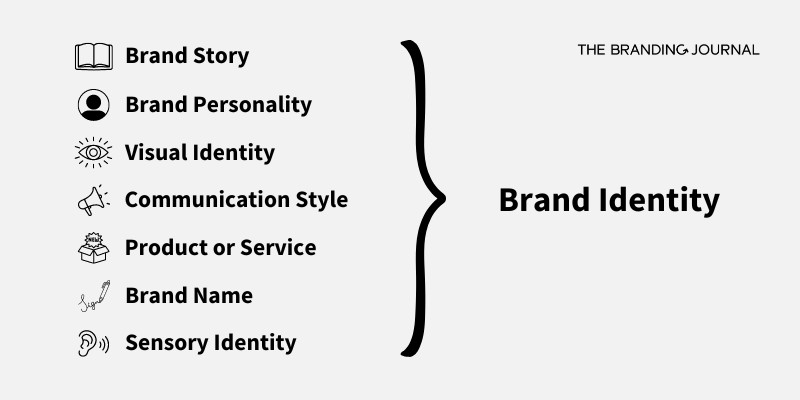
Branding is more than just a logo or a catchy tagline; it’s the essence of what a business stands for and how it connects with its audience. The importance of branding in business lies in its ability to create recognition, build trust, and foster customer loyalty. A strong brand can differentiate a company from its competitors, making it a crucial element for success in any market.A successful brand identity is built on several key components that work together to convey the company’s vision and values.

These elements not only help in communicating the brand’s message but also create a lasting impression in the minds of consumers.

Key Components of a Successful Brand Identity

Understanding the key components of brand identity is essential for any business aiming to establish a strong market presence. These components include:

  • Logo: The visual symbol of the brand, which should be memorable and represent the brand’s personality.
  • Color Palette: A carefully chosen set of colors that evoke specific emotions and convey brand values.
  • Typography: Fonts and typefaces that reflect the brand’s character and enhance readability.
  • Voice and Tone: The style in which the brand communicates, influencing how the audience perceives the brand.
  • Imagery: Photos and graphics that align with the brand’s identity and resonate with the target audience.
  • Brand Guidelines: A documented framework that Artikels how the brand should be presented across various platforms to maintain consistency.

Each of these elements plays a significant role in shaping the overall perception of the brand and guiding its interactions with customers.

The Role of Storytelling in Branding Strategies

Storytelling is a powerful tool in branding, enabling businesses to connect with their audience on a deeper emotional level. A well-crafted brand story conveys the mission, values, and unique aspects of the brand, making it more relatable and memorable. By leveraging storytelling, brands can create a narrative that resonates with their audience, fostering a sense of belonging and loyalty. Important aspects of storytelling in branding include:

  • Authenticity: Genuine stories build trust and foster a deeper connection with consumers.
  • Emotional Engagement: Stories can evoke emotions, making the brand more memorable.
  • Brand Values: Storytelling allows brands to communicate their core values and mission effectively.
  • Customer Experiences: Sharing customer stories can enhance relatability and demonstrate the brand’s impact.
  • Inspiration: Inspiring stories can motivate customers to engage with and support the brand.

Incorporating storytelling into branding strategies not only enhances the brand’s identity but also creates a loyal customer base that feels connected to the brand’s journey.

Design Principles

Design principles are fundamental guidelines that shape the visual aspects of branding and establish a cohesive identity. These principles aid in creating designs that are not only aesthetically pleasing but also functional and effective in conveying a brand’s message. Understanding and implementing these principles can significantly enhance brand recognition and consumer engagement.

Essential Design Principles Impacting Branding

Several key design principles play a crucial role in branding, including alignment, contrast, repetition, and proximity. Each of these principles contributes to a unified and appealing visual language for a brand.

  • Alignment: This principle ensures that elements are arranged in relation to each other, creating a sense of order. Proper alignment can guide the viewer’s eye and improve the overall flow of information.
  • Contrast: Utilizing contrast effectively helps distinguish between different elements, enhancing readability and visual interest. High contrast between text and background can elevate the brand’s message.
  • Repetition: Repeating design elements reinforces consistency across various brand touchpoints. This includes using the same colors, fonts, and motifs, creating a cohesive brand experience.
  • Proximity: Grouping related elements together aids in organizing information and clarifying relationships. This can lead to a more intuitive understanding of the brand’s offerings.

Color Theory and Its Significance in Brand Design

Color theory is a vital aspect of design that influences emotions and perceptions. Different colors evoke specific feelings and associations, making it essential for brands to choose their color palettes wisely. Each color can convey a different message:

  • Red: Often associated with passion and energy, red can invoke feelings of excitement and urgency, making it a popular choice for food and beverage brands.
  • Blue: This color evokes a sense of trust and professionalism, frequently used by financial institutions and tech companies to instill confidence in their services.
  • Green: Symbolizing nature and health, green is commonly used by brands aiming to convey sustainability and organic practices.
  • Yellow: Associated with optimism and clarity, yellow can attract attention but should be used sparingly to avoid overwhelming the viewer.

Selecting an appropriate color palette not only enhances aesthetic appeal but also strengthens brand identity. For example, brands like Starbucks and Tropicana leverage green and orange, respectively, to make emotional connections with their target audience.

The Importance of Typography in Creating Brand Recognition

Typography serves as a critical element of branding, impacting how messages are perceived and remembered. The choice of typeface, size, and spacing can significantly affect legibility and brand personality.A few key aspects of typography include:

  • Font Selection: The typeface chosen can convey various attributes of a brand. Serif fonts often project traditional and reliable qualities, while sans-serif fonts are seen as modern and clean.
  • Hierarchy: Effective typography establishes a visual hierarchy, guiding the reader’s attention to the most important information first, which enhances comprehension.
  • Consistency: Maintaining consistent typography across all branding materials creates a cohesive identity. Brands like Coca-Cola and Google utilize unique typography to reinforce their brand image.

The right combination of typography can elevate brand recognition, making it easier for consumers to associate specific fonts with particular brands, ultimately influencing their purchasing decisions.

Brand Strategy Development

Developing a robust brand strategy is essential for any business aiming to establish its identity in the marketplace. A well-crafted brand strategy not only defines what your brand stands for but also guides your business’s decisions, messaging, and customer interactions. It serves as a roadmap, helping you to connect with your audience and differentiate yourself from competitors.Building a brand strategy involves several key steps that ensure your brand resonates with your target market while aligning with your company’s goals.

It’s important to dive deep into understanding your audience, your competitors, and your unique value proposition.

Step-by-Step Guide to Developing a Brand Strategy

Creating a brand strategy is a systematic process that can significantly influence the success of your brand. Below are the essential steps to guide you through effective brand strategy development:

  1. Define Your Brand Purpose: Understand the core mission of your brand. What value do you bring to your customers? Why does your brand exist beyond making a profit?
  2. Identify Your Target Audience: Research who your ideal customers are, their preferences, and their needs. This understanding will help tailor your branding efforts.
  3. Analyze Competitors: Study your competitors to identify their strengths and weaknesses. This analysis helps in carving out your unique positioning.
  4. Craft Your Brand Message: Develop a clear and compelling message that communicates your brand’s values, mission, and what sets you apart from others.
  5. Choose Your Brand Aesthetics: Decide on visual elements such as logo, color palette, and typography that will represent your brand and resonate with your audience.
  6. Develop a Brand Voice: Establish a tone of voice that reflects your brand’s personality and aligns with your audience’s expectations, whether it’s professional, casual, or friendly.
  7. Implement Your Brand Strategy: Launch your branding initiatives across various platforms, ensuring consistency in messaging and visuals.
  8. Monitor and Adapt: Continuously evaluate your brand’s performance through customer feedback and market trends, and be prepared to make adjustments as necessary.

Examples of Successful Brand Repositioning Efforts

Brand repositioning can breathe new life into a brand, allowing it to adapt to changing market conditions and consumer perceptions. Here are notable examples where brands successfully repositioned themselves:

  • Old Spice: Originally perceived as an outdated brand for older men, Old Spice repositioned itself through humorous advertising campaigns targeting younger consumers, resulting in a significant increase in sales and brand engagement.
  • Mailchimp: Initially a simple email marketing tool, Mailchimp evolved into a comprehensive marketing platform. Their rebranding focused on creativity and supporting small businesses, successfully attracting a broader audience.
  • Dunkin’ (formerly Dunkin’ Donuts): The brand simplified its name to focus on coffee and its broader menu options, emphasizing its commitment to a fast, convenient experience for customers on the go.

Methods for Conducting Market Research

Market research is a critical component in shaping your brand strategy. It informs you about your audience and competitiveness, allowing for better decision-making. Employing various methods can yield valuable insights:

  • Surveys and Questionnaires: These tools can gather quantitative data from users about their preferences, behaviors, and perceptions regarding your brand.
  • Focus Groups: Engaging small groups of your target audience allows for qualitative insights through discussions, exploring attitudes and feelings towards your brand.
  • Competitor Analysis: Evaluate competitors’ positioning, strengths, weaknesses, and customer feedback to identify market opportunities and threats.
  • Social Media Listening: Monitor social media platforms to gauge public sentiment and discussions about your brand and its competitors.
  • Website Analytics: Utilize tools to analyze visitor behavior on your website, identifying what content resonates with your audience and which areas need improvement.

Visual Branding Elements

Visual branding encompasses a variety of elements that collectively shape the identity and perception of a brand in the minds of consumers. These elements work together to create a cohesive and recognizable image that distinguishes a brand from its competitors. Understanding these components is crucial for effective brand representation across various channels.Key elements of visual branding include logos, color palettes, typography, imagery, and graphic styles.

Each element plays a significant role in conveying a brand’s message and values. Together, they form an integrated visual system that can enhance brand recognition and loyalty.

Importance of Logo Design

A logo serves as the cornerstone of a brand’s visual identity. It is often the first impression consumers have of a brand and can significantly influence their perceptions and feelings towards it. An effective logo is memorable, versatile, and appropriate for the brand it represents.For example, the Nike swoosh is a simple yet powerful logo that embodies motion and speed.

Similarly, the Apple logo, an iconic silhouette of an apple with a bite taken out, signifies innovation and sophistication. These logos are not only visually appealing but also resonate deeply with the brand’s values and audience.A well-designed logo should possess the following characteristics:

  • Memorability: It should be easily recognizable and stick in consumers’ minds.
  • Versatility: It must work across various mediums and sizes, from business cards to billboards.
  • Timelessness: The design should endure trends and remain relevant over time.
  • Appropriateness: It should align with the brand’s overall identity and target audience.

Brand Consistency Across Different Platforms

Maintaining brand consistency is vital for building trust and credibility with consumers. It ensures that all visual elements, from logos to color schemes, are uniform across different platforms, such as websites, social media, packaging, and advertisements. Consistency reinforces brand recognition and helps create a cohesive experience for consumers.To achieve brand consistency, brands should adhere to the following guidelines:

  • Develop a Style Guide: Create a comprehensive document outlining logo usage, color codes, typography, and other visual elements.
  • Train Employees: Ensure that all team members understand and implement the branding standards set forth in the style guide.
  • Regular Audits: Conduct periodic reviews of all marketing materials to ensure they align with the established brand identity.

In summary, effective visual branding is a combination of well-thought-out elements that create a distinct identity for a brand. A strong logo and consistent brand representation across platforms not only enhance visibility but also foster loyalty among consumers.

Digital Branding and Design

Digital branding and design have transformed how businesses connect with their audiences. In today’s digital landscape, the importance of a strong brand presence online cannot be overstated. With the proliferation of social media, websites, and digital marketing, brands must evolve to maintain relevance and engage effectively with their target market.The impact of digital media on branding efforts is profound. As consumers increasingly rely on digital platforms for information and shopping, the way brands present themselves online can significantly influence perceptions and purchasing decisions.

A cohesive digital identity that resonates across various platforms enhances brand recognition and loyalty.

Best Practices for Website Branding and Design

Implementing effective branding strategies on your website is crucial for creating a strong first impression. Below are key best practices to consider for website branding and design:

1. Consistent Visual Identity

Ensure that your website’s colors, fonts, and imagery align with your overall brand identity. This consistency helps reinforce brand recognition.

2. User-Friendly Navigation

A well-organized website structure enables users to find information quickly, enhancing their experience and encouraging longer visits.

3. Responsive Design

With the increasing use of mobile devices, having a responsive design is essential. Your site should function seamlessly on any device, ensuring accessibility for all users.

4. Clear Call-to-Action (CTA)

Strategically placed CTAs guide visitors toward desired actions, such as signing up for newsletters or making purchases, thereby improving conversion rates.

5. Engaging Content

Use compelling visuals and informative content that reflects your brand’s voice. This content should engage users and encourage them to explore further.

6. Loading Speed

A fast-loading website reduces bounce rates and improves user satisfaction, which is crucial for retaining visitors.

Strategies for Maintaining Brand Identity on Social Media

Social media platforms offer unique opportunities for brands to engage with audiences and build a community. However, maintaining brand identity across these platforms requires thoughtful strategies.

Unified Voice and Tone

Ensure that communication on all platforms reflects the same brand voice and tone. This uniformity helps create a recognizable personality that resonates with followers.

Visual Consistency

Use the same logo, color scheme, and imagery across all social media profiles. This visual consistency strengthens brand recognition.

Engagement and Interaction

Actively engage with your audience through comments, messages, and posts. Authentic interactions foster loyalty and trust, reinforcing brand identity.

Content Strategy

Develop a content calendar that aligns with your brand values and marketing goals. This strategy ensures that all posts contribute to your overall brand narrative.

Monitor and Adapt

Regularly assess audience reactions and engagement metrics to understand what resonates with your followers. Adapting your approach based on this feedback ensures ongoing relevance and connection.

“In the digital age, your brand is no longer what you say it is, but what your audience perceives it to be.”

Branding Challenges and Solutions

Branding and design are crucial for establishing a strong market presence, yet they come with their own set of challenges. Businesses often find themselves navigating through a variety of obstacles that can impact their brand identity and customer perception. Understanding these challenges and developing effective solutions is key to maintaining a resilient brand.

Common Challenges Faced in Branding and Design

Several challenges frequently arise in the world of branding and design. These challenges can hinder a brand’s growth and effectiveness if not properly addressed. Here are some of the most common ones:

  • Inconsistent Brand Messaging: A lack of uniformity in communications can confuse customers and dilute brand identity.
  • Adapting to Market Changes: Rapid shifts in consumer preferences and market dynamics require brands to be adaptable and responsive.
  • Brand Awareness: Establishing recognition and visibility in a crowded market can be difficult for new or evolving brands.
  • Negative Customer Perception: Poor customer experiences or brand controversies can lead to lasting damage to a brand’s reputation.
  • Resource Constraints: Limited budgets and manpower can restrict branding initiatives, especially for small businesses.

Strategies for Overcoming Brand Identity Crises

Navigating a brand identity crisis can be daunting, but implementing strategic measures can help restore confidence and clarity. Here are effective strategies to consider:

  • Conduct a Brand Audit: Evaluate current brand perceptions through surveys and social media monitoring to identify the issues impacting your identity.
  • Refine Brand Positioning: Clearly articulate the unique value proposition of your brand, ensuring it resonates with your target audience.
  • Enhance Communication: Engage transparently with your audience, addressing concerns and sharing updates to rebuild trust.
  • Focus on Consistency: Ensure all marketing channels and materials reflect a cohesive brand image and messaging.
  • Seek Professional Help: Consider hiring branding experts or agencies to guide the rebranding process and implement effective strategies.

Integrating Customer Feedback into Branding Efforts

Customer feedback is a valuable resource that can significantly influence branding strategies. Here are ways to effectively integrate this feedback into your branding efforts:

  • Surveys and Polls: Regularly conduct surveys to gather insights on customer perceptions, preferences, and suggestions for improvement.
  • Social Media Listening: Monitor social media channels to understand customer sentiments and engage with them directly to address their concerns.
  • Feedback Loops: Establish mechanisms for continuous feedback, ensuring customers feel heard and valued, which enhances loyalty.
  • Adjust Branding Strategies: Use insights from customer feedback to tweak branding strategies, products, or services to better align with customer expectations.
  • Showcase Testimonials: Highlight positive customer feedback in marketing materials to build credibility and attract new customers.

Customer feedback is not just a voice; it is the compass guiding your brand toward success.

Future Trends in Branding and Design

As we move forward into a rapidly evolving marketplace, brands and designers need to anticipate changes that are shaping the future of branding and design. Staying ahead of these trends is crucial for businesses to maintain relevance and connect meaningfully with their audience. This segment explores key emerging trends, groundbreaking branding campaigns, and the increasing significance of sustainability in branding practices.

Emerging Trends in Branding and Design

Numerous trends are gaining traction in the branding and design landscape. Brands are adopting innovative approaches to capture consumer attention and loyalty. These trends include:

  • Personalization: Brands are increasingly leveraging data analytics to deliver personalized experiences, tailoring products and marketing messages to individual preferences.
  • Minimalism: A move towards cleaner, simpler designs helps brands communicate their messages more effectively, focusing on what truly matters to their audience.
  • Augmented Reality (AR): Integrating AR into branding allows consumers to interact with products in a virtual space, enhancing engagement and providing a memorable experience.
  • Brand Activism: Consumers expect brands to take a stand on social issues, leading to a rise in campaigns that reflect values and contribute to positive change.

Innovative Branding Campaigns

Recent years have seen remarkable branding campaigns that exemplify creativity and effectiveness. These campaigns stand out for their unique approaches and strong audience connections.

  • Always’ #LikeAGirl: This campaign challenged gender stereotypes and empowered young girls, resonating deeply with both women and men.
  • Dove’s Real Beauty: Dove’s campaign featured diverse models of all shapes and sizes, redefining beauty standards and fostering inclusivity.
  • Nike’s “Dream Crazy”: Featuring Colin Kaepernick, this campaign showcased a commitment to social justice and encouraged consumers to believe in themselves.

The Role of Sustainability in Modern Branding Practices

Sustainability has become a cornerstone of branding strategy, as consumers increasingly prefer brands that demonstrate environmental responsibility. Companies are adopting sustainable practices not only to reduce their ecological footprint but also to enhance their brand image.

  • Eco-friendly Products: Brands like Patagonia lead the way with products made from recycled materials, emphasizing quality and sustainability.
  • Transparent Supply Chains: Businesses are sharing their supply chain practices to build trust with consumers, demonstrating ethical sourcing and production.
  • Carbon Neutrality: Companies such as IKEA are committing to becoming carbon neutral, appealing to eco-conscious consumers and enhancing brand loyalty.

“Brands that prioritize sustainability are not just doing good; they are positioning themselves for long-term success as consumers increasingly make choices based on values.”

Outcome Summary

What Is Brand Identity? | The Branding Journal

As we wrap up our discussion on branding and design, it’s clear that these elements are more than just aesthetic choices; they are vital components that can propel a business to new heights. By understanding the intricacies of branding and design, companies can effectively communicate their messages, engage their audiences, and adapt to changing market trends.

Detailed FAQs

What is the importance of branding?

Branding helps businesses establish their identity, differentiate themselves from competitors, and build customer loyalty.

How can storytelling enhance branding?

Storytelling creates emotional connections with consumers, making brands more relatable and memorable.

What role does color play in branding?

Colors evoke emotions and perceptions, influencing how a brand is perceived in the market.

What are common challenges in branding?

Common challenges include maintaining brand consistency, evolving with market trends, and managing consumer feedback.

How is digital branding different from traditional branding?

Digital branding leverages online platforms and technologies to reach and engage audiences, allowing for more interactive and dynamic connections.

Customizable BBQ branding irons are more than just tools; they’re a way to personalize your grilling experience and add a unique touch to your BBQ creations. From intricate designs to bold statements, these irons offer a canvas for creativity, allowing you to showcase your culinary artistry and brand your dishes.

This comprehensive guide explores the world of customizable BBQ branding irons, covering everything from design considerations and manufacturing processes to marketing strategies and customer support. We’ll delve into the details, highlighting key features, benefits, and potential applications for this exciting grilling trend.

Defining Customizable BBQ Branding Irons

Customizable BBQ branding irons are becoming increasingly popular among barbecue enthusiasts and food businesses. These versatile tools allow for personalized branding and create a unique visual identity for each dish. Their adaptability caters to diverse needs, from simple family gatherings to professional food presentations.These branding irons offer a practical and visually appealing way to mark food items with unique designs, logos, or messages.

Their customizable nature allows businesses to create a distinctive brand identity, enhancing their offerings and attracting customers.

Materials and Durability

The longevity and durability of customizable BBQ branding irons are heavily influenced by the materials used in their construction. High-quality stainless steel is a common choice, known for its resistance to rust and corrosion, crucial for outdoor use and prolonged exposure to moisture. The use of hardened steel ensures the longevity of the branding surface, maintaining sharp impressions even after repeated use.

Aluminum alloys are also used for their lightweight nature, but stainless steel is often preferred for its superior strength and resistance to damage.

Customization Options

Various methods allow for personalization of BBQ branding irons. Engraving, a process of etching intricate designs into the metal surface, produces detailed and durable impressions. Etching, another technique, involves using acid to create designs on the metal. This method offers a unique aesthetic and can achieve intricate patterns. Printing, using specialized inks, allows for larger, more easily recognizable logos and branding messages.

The choice of customization method depends on the desired aesthetic, complexity of the design, and intended use.

Target Audience

The target audience for customizable BBQ branding irons is diverse. Individual barbecue enthusiasts seeking a way to personalize their grilling experience fall under this category. Restaurants and food trucks can use these irons to create unique branding for their food items. Catering companies and food vendors can use these tools to create personalized touches to meals, enhancing customer experience and visual appeal.

Food retailers and wholesalers may also find use for these irons to provide additional branding and differentiation to their products.

Uses and Applications

Customizable BBQ branding irons offer a wide range of uses and applications. They can be used for creating personalized marks on meats, vegetables, and other grilled food items. This allows for unique branding of food products for events, restaurants, and catering businesses. Branding irons can also be used for creating decorative designs on food items, adding an aesthetic element to the presentation.

Furthermore, they can be used for creating distinctive marks for different products, making them easily recognizable and traceable.

Design Considerations for Customizable BBQ Branding Irons

Customizable BBQ branding irons offer a unique opportunity to personalize the grilling experience, adding a touch of artistry and flair to every barbecue. Careful design considerations are crucial to ensure both aesthetic appeal and practical functionality, allowing these tools to stand out in the market and resonate with consumers.Aesthetic considerations are paramount in the design process, influencing how the irons are perceived and used.

A well-designed iron should not only be functional but also visually engaging.

Aesthetic Considerations

Careful selection of color palettes and typography choices can significantly enhance the visual appeal of the branding irons. Warm colors like reds, oranges, and yellows can evoke a sense of warmth and excitement, often associated with barbeque. Cooler colors like blues and greens might be appropriate for a more sophisticated or modern aesthetic. The choice of color should align with the target audience and the overall branding strategy.

Font selection should be legible and complementary to the chosen color scheme. Consider using fonts that convey a sense of heritage, ruggedness, or modern sophistication depending on the desired brand image. A balanced and cohesive color palette and typography choice are vital for creating a visually appealing and memorable product.

Branding Iron Shapes and Sizes

Different shapes and sizes of branding irons cater to various BBQ techniques and aesthetic preferences. A wider iron might be suitable for large cuts of meat, while a narrower one could be used for more intricate designs or smaller cuts. A square shape might be better for lettering, while a curved shape would be ideal for adding an artistic touch.

Shape Size Functionality Suitability
Square Large Suitable for large cuts of meat, lettering, and intricate designs Competition grilling, larger cuts of meat
Round Small Creates circular impressions, suitable for smaller cuts of meat Casual backyard BBQs, smaller cuts of meat
Curved Medium Creates artistic patterns and designs Competition grilling, artistic branding

Material Options

The choice of material significantly impacts the performance and longevity of the branding iron. Different materials offer varying levels of durability, heat retention, and suitability for different types of meat. Stainless steel, for example, is known for its durability and resistance to rust, making it suitable for various meats. Carbon steel is a good choice for its excellent heat retention and ability to achieve deep impressions.

Material Strengths Weaknesses Suitability
Stainless Steel Durable, resistant to rust, good heat distribution Can be less responsive to heat, may not achieve the same level of detail Most types of meat, especially those requiring a consistent temperature
Carbon Steel Excellent heat retention, achieves deep impressions Requires more care in maintenance, can rust if not properly cared for Meats that benefit from a deep sear, like steaks and chops

Branding Iron Designs for Different BBQ Styles

The design of the branding iron can be tailored to reflect the specific style of barbecue. For competition grilling, designs might focus on intricate lettering, logos, or unique patterns. Casual backyard BBQs might feature simpler designs, such as family names, or personalized symbols.

BBQ Style Branding Iron Design
Competition Grilling Intricate lettering, logos, unique patterns, large designs
Casual Backyard BBQs Simpler designs, family names, personalized symbols, smaller designs

Design Elements Increasing Appeal and Marketability

Several design elements can enhance the appeal and marketability of customizable BBQ branding irons. These elements include:

  • Ergonomic Handles: Comfortable and secure handles are crucial for user experience and prevent slippage during use.
  • Easy-to-Use Mechanisms: A simple and intuitive mechanism for customization is vital for user satisfaction.
  • Durable Construction: The use of high-quality materials ensures longevity and resilience.
  • Aesthetically Pleasing Design: A visually appealing design that aligns with the target audience’s preferences.
  • Variety of Customization Options: Offering a wide range of personalization choices caters to a broader customer base.

Branding Strategy for Customizable BBQ Branding Irons

Crafting a compelling brand identity is crucial for customizable BBQ branding irons, differentiating them from competitors and fostering customer loyalty. A well-defined brand strategy will resonate with target audiences, driving sales and establishing a lasting presence in the market. This involves understanding the unique selling proposition (USP) of the irons and tailoring marketing efforts to highlight their value.Effective branding strategies for customizable BBQ branding irons should focus on highlighting the personalization and versatility of the product.

This can be achieved through marketing campaigns that showcase the various design options available, emphasizing the ability to create unique and memorable branding for individuals and businesses. Demonstrating the high-quality materials and craftsmanship involved in the manufacturing process can further enhance the brand image.

Defining the Target Audience

Understanding the target audience is fundamental to developing an effective branding strategy. Identifying the demographics and psychographics of potential customers, such as their interests, values, and lifestyle choices, will help tailor marketing messages and branding elements. For example, focusing on outdoor enthusiasts, hobbyists, or small businesses will enable the brand to communicate more effectively with the desired consumer groups.

Developing a Unique Selling Proposition (USP)

A strong USP is vital for establishing a brand’s position in the market. This involves highlighting what makes the customizable BBQ branding irons different and superior to competitors. For example, a USP could be the ease of design customization, the durability of the materials, the speed of turnaround time for orders, or the wide range of design options available.

Clearly articulating this unique value proposition will set the brand apart and attract customers.

Creating a Memorable Brand Story

A compelling brand story humanizes the product and connects with customers on an emotional level. This narrative can be centered around the inspiration behind the design, the craftsmanship involved in manufacturing, or the story of the company’s journey. For example, emphasizing the use of sustainably sourced materials or the dedication to exceptional customer service can create a strong emotional connection with customers.

The story should resonate with the target audience and convey the values of the brand.

Implementing Effective Marketing Strategies

Various marketing strategies can be employed to build brand awareness and generate leads. Social media marketing, online advertising, collaborations with influencers, and participation in industry events can all be utilized to reach potential customers. Focus on platforms frequented by the target audience and tailor content to resonate with their interests.

Examples of Successful Branding Campaigns

Many successful branding campaigns for similar products have leveraged visual storytelling and personalized experiences. For instance, focusing on showcasing customer creations and designs on social media platforms can foster engagement and build community. Partnering with relevant influencers or hobby groups can significantly amplify the reach of the brand message. Another effective approach involves providing exclusive designs or customization options for brand loyalists.

Manufacturing and Production Processes

Customizable BBQ branding irons necessitate intricate manufacturing processes, ensuring both the desired branding customization and the iron’s durability. These processes encompass material selection, design implementation, and quality control measures, all crucial for delivering a high-quality product.

Material Selection and Design Implementation

The choice of materials significantly impacts the iron’s performance and longevity. High-quality steel alloys, known for their heat resistance and durability, are typically preferred. The specific alloy composition influences the branding iron’s ability to withstand repeated use and high temperatures. Design considerations are paramount, with careful attention paid to the ergonomic design, ensuring comfortable handling and minimizing risks during use.

The design should also accommodate the customization options available.

Customization Processes

Customizing the branding irons involves several steps. First, the desired design is meticulously transferred to the iron’s surface. This often involves laser engraving, etching, or other precision techniques. The chosen method depends on the complexity and detail of the design, ensuring a clear and lasting impression. Next, the branding surface is treated to enhance the appearance and durability of the imprinted design.

Quality Control Measures

Rigorous quality control procedures are implemented at each stage of the manufacturing process. This includes visual inspections to identify any defects in the metal, ensuring the uniformity of the branding surface, and assessing the depth and clarity of the imprinted design. A table below details these quality control measures:

Stage Quality Control Measure
Material Inspection Visual inspection for defects, checking alloy composition, verifying heat resistance
Design Transfer Precise alignment verification, checking for clarity and depth of engraving
Surface Treatment Checking for even application, inspecting for any imperfections
Final Inspection Thorough visual assessment, functional testing (heat resistance and branding application)

Production Techniques

Various production techniques contribute to the quality and durability of the branding irons. For instance, advanced heat-treating processes ensure the iron’s strength and resistance to deformation under high temperatures. Precision machining guarantees consistent dimensions and accurate branding surface areas.

Manufacturing Methods and Cost Implications

Different manufacturing methods influence the cost of the branding irons. Laser engraving, for example, can be more expensive initially due to the specialized equipment required. However, it often yields higher-quality, intricate designs. Traditional stamping techniques, while potentially less expensive, may not offer the same level of customization. Ultimately, the optimal method depends on the specific design requirements and the desired level of quality.

A cost-benefit analysis should be performed to ensure that the chosen manufacturing method aligns with the target price point and desired product specifications.

Marketing and Sales Strategies

A robust marketing and sales strategy is crucial for the success of customizable BBQ branding irons. This involves identifying the right channels to reach target customers, crafting competitive pricing models, and ensuring high-quality visuals to showcase the product’s appeal. Effective communication and a clear understanding of customer needs are key elements to building brand loyalty and driving sales.

Effective Marketing Channels

A multifaceted approach to marketing is essential to maximize reach and engagement. This includes leveraging online platforms, engaging in targeted advertising campaigns, and fostering relationships with complementary businesses. Utilizing social media platforms like Instagram and Facebook, where visually appealing content is prominent, can significantly enhance brand visibility and drive potential customers.

  • Online Marketplaces: Platforms like Etsy, Amazon Handmade, and specialized online retailers provide extensive reach to a diverse customer base. Detailed product descriptions and high-quality images are critical for success on these platforms.
  • Social Media Marketing: Targeted advertising campaigns on platforms like Facebook and Instagram can effectively reach potential customers. Showcasing the customizable aspects through engaging videos and visually appealing images is crucial.
  • Collaborations with Complementary Businesses: Partnering with BBQ supply stores, grilling equipment retailers, or even food bloggers can expose the product to a wider audience. Joint promotions and cross-marketing initiatives can generate significant interest.
  • Content Marketing: Creating informative blog posts, articles, or videos about BBQ techniques, grilling tips, and the unique advantages of custom branding irons can establish expertise and attract interested parties.

Pricing Strategies

Pricing strategies must reflect the value proposition of the customizable irons. Consider factors such as the materials used, customization options, and the overall quality of the product. A tiered pricing system based on customization level or material type can be a good option.

  • Tiered Pricing: Offer different pricing tiers based on the complexity of the design, the quantity of branding options, or the quality of the material. A basic iron with a single logo could have a lower price point, while a more elaborate design with multiple colors and a premium material might command a higher price.
  • Value-Based Pricing: Highlight the unique value proposition of the customizable irons. Focus on the personalized experience and the ability to create a unique branding element for the user’s business or hobby.
  • Competitive Pricing: Research the prices of similar products in the market to ensure the price point is competitive and reflects the value proposition. This is essential for maintaining a strong market presence.

Importance of High-Quality Visuals

High-quality product photography and videography are paramount to showcasing the customizable BBQ branding irons effectively. This includes clear images demonstrating the customization process, close-ups of the branding quality, and demonstration videos showcasing the usability and versatility of the product. A well-produced video or series of images can greatly enhance the perceived value of the product and attract potential customers.

  • Clear Product Images: High-resolution images showcasing different customization options, material finishes, and branding clarity are essential. Images should be well-lit and in focus, highlighting the product’s aesthetic appeal and functionality.
  • Detailed Videos: Short videos demonstrating the customization process, the application of the iron, and its performance in different grilling situations are valuable for conveying the product’s usability and value. These videos should be well-edited and visually engaging.
  • High-Resolution Product Shots: Focus on showcasing the product’s features and benefits, highlighting its durability, quality, and unique design. Images should include clear details and demonstrate the level of customization possible.

Successful Marketing Campaign Examples

Several successful marketing campaigns for similar products have leveraged social media marketing, targeted advertising, and collaborations with influencers to promote their products. Companies have effectively used product demonstrations, before-and-after comparisons, and customer testimonials to showcase the product’s value and appeal.

  • Etsy Shop Success: Etsy shops specializing in handmade BBQ tools often use visually appealing product photos and engaging descriptions to attract customers interested in unique and personalized items.
  • Influencer Marketing: Collaborations with BBQ enthusiasts or food bloggers can generate significant exposure for the product by featuring it in their content and reviews.
  • Targeted Advertising Campaigns: Utilizing targeted advertising on social media platforms can effectively reach potential customers interested in grilling and BBQ tools.

Sales Channels

A well-defined sales channel strategy is vital for maximizing sales and distribution.

Sales Channel Description Advantages Disadvantages
Online Marketplaces Platforms like Amazon, Etsy, eBay Wide reach, global exposure Competition, potential for lower margins
Retail Stores Specialized BBQ stores, outdoor equipment retailers Brand visibility, physical interaction Limited reach, higher overhead costs
Direct Sales Online store, direct contact Direct customer relationship, higher profit margins Requires significant marketing effort

Customer Experience and Support

Delivering an exceptional customer experience is paramount for the success of any product, particularly a customizable one like BBQ branding irons. Positive interactions and responsive support foster customer loyalty and drive repeat business. A well-managed customer experience strategy directly impacts brand perception and influences future purchases.

Importance of Excellent Customer Service

A strong customer service foundation is crucial for building trust and loyalty. Satisfied customers are more likely to recommend the product to others, leading to organic growth and positive word-of-mouth marketing. Conversely, poor service can damage a brand’s reputation and deter potential buyers. Proactive customer support can mitigate potential issues and resolve problems quickly, preserving customer relationships and ensuring a positive overall experience.

Effective Handling of Customer Inquiries and Complaints

Customer inquiries and complaints are opportunities to demonstrate responsiveness and competence. A structured approach to handling these interactions is essential. First, establish clear communication channels – such as email, phone, and a dedicated online support portal – to ensure customers can reach you easily. Next, train staff to listen empathetically, understand the customer’s perspective, and provide timely and helpful solutions.

Maintaining a professional and courteous demeanor, even during challenging situations, is critical.

Building Strong Customer Relationships

Building strong customer relationships requires more than just resolving issues; it involves cultivating ongoing engagement. This can be achieved through personalized communication, exclusive offers for repeat customers, and proactive follow-up. Consider creating a loyalty program to reward repeat purchases and demonstrate appreciation for customer support. Regularly solicit feedback to understand customer needs and preferences, allowing for product improvements and enhancements.

Encouraging Customer Reviews and Testimonials

Positive reviews and testimonials act as social proof, influencing potential buyers’ decisions. Make it easy for customers to share their experiences by providing prominent links to review platforms and social media channels. Consider offering incentives for reviews, such as discounts on future purchases or exclusive content. Actively monitor reviews and respond to both positive and negative feedback, demonstrating a commitment to customer satisfaction.

Use customer testimonials in marketing materials to showcase real-world experiences with the product.

Competitive Analysis

Understanding the competitive landscape is crucial for positioning customizable BBQ branding irons effectively. A thorough analysis of existing products helps identify market gaps and opportunities, enabling informed strategic decisions. This analysis allows for a clear understanding of the strengths and weaknesses of competitors, leading to the development of strategies for achieving a competitive advantage.The current market for customizable BBQ branding irons is diverse, encompassing a wide range of features, price points, and designs.

This variety presents opportunities for specialized niches and targeting specific customer segments. Identifying key differentiators is essential to carving out a unique market position.

Comparison of Customizable BBQ Branding Iron Products

The market presents a spectrum of branding iron options, each with varying degrees of customization and features. Some focus on intricate designs, while others prioritize ease of use and durability. This diversity allows for a nuanced understanding of consumer preferences and desired features.

Competitor Strengths Weaknesses
Brand A High-quality materials, intricate design options, extensive customization capabilities. Relatively high price point, limited customer support channels.
Brand B Simple, user-friendly design, affordable pricing, readily available. Limited customization options, potentially lower build quality compared to premium brands.
Brand C Focus on eco-friendly materials, sustainable practices, emphasis on design aesthetic. Slightly higher price point than budget-friendly options, limited availability in certain regions.

Market Trends for Customizable BBQ Branding Irons

Several key market trends are shaping the future of customizable BBQ branding irons. A growing emphasis on personalization and unique branding is evident, as seen in the increasing popularity of customized merchandise. This trend suggests a strong consumer demand for tailored products.

  • Increased demand for eco-friendly materials: Consumers are increasingly conscious of environmental impacts, leading to a rise in the demand for sustainable and eco-friendly materials for branding irons.
  • Integration of advanced technologies: The integration of smart technologies, such as temperature control and digital design interfaces, is transforming the landscape. These features offer greater precision and convenience.
  • Rise of online marketplaces: The expansion of online marketplaces facilitates greater accessibility and wider reach for consumers, providing various options for purchase and exploration.

Emerging Technologies and Their Impact

Emerging technologies are poised to significantly impact the future of customizable BBQ branding irons. The integration of 3D printing technology can enable highly complex and customized designs. Additionally, the incorporation of smart sensors and user interfaces enhances user experience and control.

  • 3D printing: 3D printing allows for complex and intricate designs, potentially exceeding the capabilities of traditional manufacturing methods.
  • Smart sensors: Smart sensors provide real-time feedback on the branding process, enabling more precise temperature control and minimizing damage to the product being branded.
  • Digital design interfaces: Digital design interfaces allow users to easily create and customize branding designs, opening up a wider range of creative possibilities.

Strategies for Staying Ahead of Competitors

To maintain a competitive edge, companies should focus on continuous innovation and adaptation to market trends. This includes developing unique features, adopting advanced technologies, and providing exceptional customer service.

  • Continuous innovation: Developing new features, improving existing designs, and staying ahead of emerging technologies will differentiate the product offering.
  • Exceptional customer service: Providing comprehensive support and readily accessible channels will foster customer loyalty and build a strong brand reputation.
  • Strategic partnerships: Collaborating with complementary businesses can broaden market reach and expand product offerings.

Future Trends and Innovations

Customizable BBQ branding irons are poised for continued growth, driven by evolving consumer preferences and technological advancements. Anticipating these shifts is crucial for maintaining a competitive edge in this market. The industry will need to adapt to changing trends and leverage emerging technologies to remain relevant and successful.

Design Considerations for Enhanced Customization

Modern consumers crave personalization. Future designs should allow for intricate and detailed custom designs. This could include the incorporation of 3D-printed elements or interchangeable components for greater design flexibility. The ability to easily adjust the size and shape of the branding iron, while maintaining quality, will be key. Interactive design tools on the company website will allow customers to visualize their design and modify it in real time, offering a seamless customization experience.

Technological Advancements in Production

The production process can benefit from automation and advanced materials science. 3D printing technologies are already revolutionizing prototyping and could become integral to the production of custom-designed branding irons in the future. This approach could drastically reduce production time and costs, while also enabling the creation of intricate designs previously impossible to achieve with traditional methods. Laser cutting and engraving technologies are also likely to play a more significant role in the manufacturing process, enhancing precision and detail in the final product.

Innovations in Materials and Branding Techniques

New materials with enhanced durability and heat resistance are likely to emerge. For example, the development of high-performance alloys or specialized ceramic coatings could create more resilient branding irons capable of withstanding high temperatures and repeated use. The exploration of innovative branding techniques, like the use of embedded pigments or metallic inks, will enhance the aesthetic appeal of the branding irons.

Adapting to Evolving Consumer Preferences

Consumer preferences for sustainability are growing, so the use of eco-friendly materials in the manufacturing process is crucial. Companies will need to highlight their commitment to environmentally responsible practices to attract environmentally conscious customers. Collaborations with artists or designers could lead to unique, exclusive designs, appealing to customers seeking unique and artistic branding irons. Offering different size and weight options for the irons will also cater to the varied needs of different users and their preferences.

Long-Term Prospects of the Customizable BBQ Branding Iron Market

The customizable BBQ branding iron market is expected to continue to expand, driven by the ongoing trend of personalization and the growing popularity of outdoor cooking. The market’s future success will depend on the ability of companies to adapt to evolving consumer preferences and embrace new technologies and materials. The increasing popularity of grilling and outdoor dining events, along with the desire for personalized branding, are key factors supporting the long-term viability of this market.

Ultimate Conclusion

In conclusion, customizable BBQ branding irons offer a compelling blend of personalization, creativity, and practicality. From the initial design choices to the final product, this guide has provided a comprehensive overview of the entire process, from conception to customer experience. Whether you’re a seasoned grill master or a beginner, understanding these elements will empower you to make informed decisions and elevate your grilling game.

Frequently Asked Questions

What materials are commonly used for customizable BBQ branding irons?

Common materials include stainless steel, carbon steel, and high-carbon steel, each with varying levels of durability and heat retention. The choice often depends on the desired level of detail in the branding.

What are some popular customization options beyond engraving?

Beyond engraving, customization options include etching, printing, and even 3D printing for unique shapes. The specific method depends on the desired design and the complexity of the branding.

How can I choose the right size and shape for my branding iron?

Consider the size and style of your BBQ creations when selecting a branding iron. A table comparing different shapes and sizes can be helpful in this process. Consider the size and style of your BBQ creations.

What are some pricing strategies for customizable BBQ branding irons?

Pricing can vary significantly based on the material, customization level, and design complexity. Higher-quality materials and intricate designs often command higher prices. Consider offering different pricing tiers based on the level of customization.

Crafting a compelling brand identity starts with a strong foundation. This comprehensive guide dives into the world of brand style guides, exploring the crucial role of InDesign templates in maintaining visual consistency. From defining your brand’s personality to creating engaging assets, we’ll walk you through the entire process.

Discover how a well-designed InDesign template for a brand style guide streamlines your workflow, ensuring all your materials reflect your brand’s unique voice. We’ll explore essential elements, from typography and color palettes to logo usage and imagery guidelines, all presented within a structured template for easy access and consistent application.

Introduction to Brand Style Guides

A brand style guide is a comprehensive document that Artikels the visual and written elements used to represent a brand. It serves as a crucial reference point for all stakeholders involved in creating and maintaining a consistent brand identity across various platforms and mediums. This ensures a unified and recognizable brand presence.A consistent brand identity is paramount for building brand recognition and trust.

Consumers are more likely to engage with and remember brands that maintain a clear and cohesive visual language and messaging. This consistency builds familiarity and reinforces brand values.

Defining a Brand Style Guide

A brand style guide serves as a reference manual for all brand-related communications. It dictates how a brand should be represented visually and verbally, from logo usage to typography and tone of voice. This ensures consistent application of brand elements across all platforms.

Importance of Brand Consistency

Brand consistency is crucial for fostering brand recognition and customer loyalty. A consistent brand identity strengthens consumer perception and builds trust over time. Familiar and recognizable brand elements facilitate a stronger connection with the target audience. Consistent visual and verbal messaging creates a cohesive brand experience, making the brand more memorable and relatable.

Role of a Brand Style Guide in Maintaining Consistency

A brand style guide acts as a central repository for all brand elements. It ensures that all communications, from marketing materials to social media posts, align with the established brand identity. This proactive approach prevents misrepresentation and maintains a unified brand image. It streamlines the design process, reduces errors, and promotes brand awareness.

Examples of Successful Brand Style Guides

Many successful brands leverage comprehensive style guides. For example, Apple’s style guide meticulously details their brand’s visual and verbal identity, ensuring a seamless and recognizable user experience across all products and services. Similarly, Nike’s guide emphasizes the use of bold typography, athletic imagery, and motivational language to create a strong and inspiring brand presence. These successful examples demonstrate the power of a well-defined style guide in maintaining a recognizable and unified brand identity.

How a Brand Style Guide Influences Brand Perception

A well-structured brand style guide can significantly influence how a brand is perceived by the public. A consistent and recognizable brand presence fosters trust and builds credibility. By ensuring all communications align with the brand’s identity, customers perceive the brand as professional, reliable, and trustworthy. This positive perception contributes to building customer loyalty and attracting new customers.

Comparison of Different Types of Brand Style Guides

Category Print Style Guide Digital Style Guide
Focus Primarily focuses on the visual elements for print materials, such as brochures, magazines, and advertisements. Emphasizes the visual elements and the interactive nature of digital platforms, like websites, social media, and mobile apps.
Key Elements Includes specifications for typography, color palettes, imagery, and layout for print materials. Covers similar elements to print but also addresses user interface (UI) design, mobile responsiveness, and interactive elements.
Considerations Must accommodate variations in paper stock, printing processes, and physical limitations. Must consider diverse screen resolutions, different browsers, and the interactive aspects of digital platforms.
Examples Brochures, posters, flyers, and catalogs. Website designs, social media graphics, and mobile application interfaces.

A comparison table like this clarifies the distinctions between print and digital style guides. Each type of style guide addresses the unique characteristics of its respective medium, ensuring consistent brand representation.

Indesign Templates for Brand Style Guides

A well-designed InDesign template is crucial for creating a consistent and professional brand style guide. It streamlines the process, ensures uniformity across all brand materials, and saves significant time and effort. Templates offer a standardized layout and pre-defined formatting, facilitating easy updates and revisions to the brand’s identity.A comprehensive InDesign template acts as a blueprint for a brand’s visual identity, making it readily adaptable to different brand elements.

This approach guarantees that all brand assets, from logos to typography, are consistently applied, maintaining a unified brand image.

Potential InDesign Template Elements

A robust InDesign template for a brand style guide incorporates various elements to comprehensively represent the brand’s identity. These elements facilitate a clear and organized presentation of the brand’s visual and verbal guidelines. Essential components include detailed descriptions of the brand’s mission, values, and target audience, along with a comprehensive overview of the brand’s personality and tone of voice.

  • Logo variations (primary, secondary, and alternate logos)
  • Typography specifications (font families, weights, styles, and sizes)
  • Color palettes (primary, secondary, and accent colors, with detailed RGB and CMYK values)
  • Imagery guidelines (photography styles, image resolution requirements, and usage rights)
  • Brand voice guidelines (tone, style, and preferred language)
  • Brand messaging (taglines, key phrases, and brand story)
  • Graphic elements (icons, patterns, and illustrations)
  • Table of contents and page numbering
  • Style guides for different applications (web, print, social media)
  • Examples of successful applications of the brand identity

Structure and Organization of a Well-Designed InDesign Template

A well-organized InDesign template ensures easy navigation and quick access to specific brand guidelines. The structure should be intuitive, logical, and easily adaptable to future brand updates.

  1. Introduction: Provides a brief overview of the brand’s identity and the purpose of the style guide.
  2. Brand Overview: Includes the mission, vision, values, and target audience of the brand.
  3. Brand Identity: Artikels the brand’s personality, tone of voice, and brand story.
  4. Visual Identity: Details the brand’s logo, typography, color palette, imagery, and graphic elements.
  5. Brand Applications: Includes guidelines for different applications, such as web, print, and social media.
  6. Examples and Resources: Demonstrates the application of brand guidelines with various examples and assets.
  7. Index or glossary: Facilitates quick access to specific information within the guide.

Basic InDesign Template Structure

A basic InDesign template for a brand style guide should be straightforward and well-structured. A logical flow ensures the ease of use for all stakeholders.

  • Table of Contents: An easily navigable table of contents enables users to quickly locate the specific sections.
  • Consistent Formatting: Use consistent font styles, sizes, and spacing for all elements.
  • Clear Headings: Use clear and concise headings to structure information and promote easy reading.
  • Comprehensive Descriptions: Provide detailed descriptions and specifications for each brand element.
  • Visual Examples: Include visual examples to demonstrate the application of brand guidelines.

Organizing Brand Assets

A well-designed template allows for the systematic organization of all brand assets. This systematic approach ensures easy access and consistent application across various platforms.

  • Categorization: Organize assets by type (e.g., logos, colors, typography).
  • File Naming Conventions: Implement a clear and consistent file naming system (e.g., logo_primary_color_red).
  • Version Control: Maintain different versions of assets for different uses.
  • Storage and Accessibility: Ensure proper storage and easy access to brand assets.

Handling Different Brand Elements

The template should accommodate diverse brand elements to ensure all facets of the brand’s identity are effectively communicated.

  • Logos: Include different logo variations (primary, secondary, and alternate logos), their usage guidelines, and appropriate file formats.
  • Typography: Specify font families, weights, and styles. Include their usage guidelines and pairings.
  • Color Palette: Define primary, secondary, and accent colors, with corresponding RGB and CMYK values.
  • Imagery: Artikel preferred photography styles, image resolution requirements, and usage rights.

Consistency in Fonts, Colors, and Imagery

Maintaining consistency in fonts, colors, and imagery is paramount for brand recognition and visual cohesion. A unified visual language strengthens the brand’s identity.

Different Template Layouts

The layout of the template should be tailored to the specific needs of the brand.

Template Layout Description
Standard Layout A classic and straightforward layout, ideal for a comprehensive guide.
Modular Layout Divides the style guide into smaller, more focused modules.
Interactive Layout Incorporates interactive elements for a more engaging experience.

Connecting InDesign Templates to Branding Strategy

A strong brand style guide is more than just a collection of design specifications; it’s a tangible embodiment of a brand’s core identity, reflecting its values and aspirations. Effectively connecting this guide to the overall branding strategy ensures consistency and impact across all brand touchpoints. This connection is vital for maintaining a cohesive brand image and achieving marketing objectives.The brand style guide acts as a practical implementation tool for the broader branding strategy.

It translates abstract brand principles into concrete visual elements and communication styles, ensuring that every application of the brand maintains a consistent personality and aesthetic.

Relationship Between Brand Style Guides and Branding Strategy

Brand style guides are essential extensions of a comprehensive branding strategy. They bridge the gap between the overarching brand vision and its practical application across various platforms. A strong brand strategy is the foundation upon which the style guide is built.

Key Components of a Strong Branding Strategy

A robust branding strategy usually comprises several key elements. These include defining the target audience, establishing brand values, crafting a unique brand proposition (USP), outlining brand personality, and setting brand voice guidelines. Understanding these components helps to tailor the style guide’s design and messaging accordingly.

How the Brand Style Guide Supports the Branding Strategy

The style guide translates the branding strategy into visual and written language. It ensures consistency in visual identity, messaging, and tone across all brand materials. This uniformity strengthens brand recognition and reinforces the brand’s message. The style guide acts as a reference point for all design and communication efforts, guaranteeing that every interaction with the brand maintains the intended character and personality.

Comparison of Branding Strategies and Their Impact on Style Guides

Different branding strategies can significantly influence the style guide’s design and content. A luxury brand, for example, will likely feature a sophisticated, elegant style guide, emphasizing high-quality imagery and sophisticated typography. A tech startup, conversely, might favor a modern, minimalist aesthetic reflecting innovation and forward-thinking. Understanding the strategic direction of the brand is crucial for designing a style guide that reflects and reinforces that direction.

Examples of Brands Successfully Integrating Style Guides with Branding Strategy

Companies like Apple, with its clean, minimalist design language, and Coca-Cola, with its iconic red and white color scheme, have effectively integrated their style guides with their branding strategy. These brands have cultivated a strong visual identity that is easily recognized and consistently applied across all marketing materials. This consistency reinforces brand recognition and strengthens the emotional connection with consumers.

Framework for Aligning Brand Style Guide with Brand Strategy

To align the brand style guide with the brand strategy, a clear framework is essential. A simple, three-step approach includes: 1. Documenting the branding strategy, 2. Defining the style guide’s visual and verbal elements that embody the strategy, and 3. Applying the defined elements consistently across all brand touchpoints.

Adapting the InDesign Template to Reflect the Branding Strategy

Adapting the InDesign template involves modifying the template’s design elements, color palettes, typography, and imagery to reflect the branding strategy. Specific brand colors, fonts, and imagery must be incorporated. The template should also include guidelines for consistent use of these elements.

Steps to Create a Brand Strategy Guiding the InDesign Template

Step Action
1 Define target audience, brand values, and unique brand proposition.
2 Develop brand personality and voice guidelines.
3 Artikel visual identity (color palette, typography, imagery).
4 Establish brand messaging and tone.
5 Create a style guide document.
6 Develop InDesign template reflecting style guide.

Content Elements within Brand Style Guides

A comprehensive brand style guide serves as a crucial reference document for all brand communications. It dictates how the brand should be visually represented across all platforms, ensuring consistency and maintaining a strong brand identity. This detailed guide helps maintain a cohesive and recognizable image, regardless of the medium.A well-structured brand style guide not only streamlines internal processes but also enhances external perception, fostering a unified and impactful brand experience for customers and stakeholders.

Brand Identity Overview

The foundational elements of a brand are often captured in the introductory sections of the style guide. These elements encompass the brand’s history, mission, values, and target audience. This information helps establish the brand’s essence and guides all subsequent design decisions.

  • Brand History: A brief, compelling narrative that traces the brand’s evolution, highlighting key milestones and pivotal moments in its journey. This can include the founding story, major achievements, and any significant transformations. For example, a tech startup might recount its early struggles and subsequent breakthroughs in the market. A legacy brand might discuss its historical impact and enduring values.

  • Mission Statement: A concise articulation of the brand’s purpose and overarching objective. The mission statement should clearly define the brand’s reason for existence and what it strives to achieve. For instance, a clothing brand might emphasize sustainability and ethical production, while a financial institution might highlight its commitment to client well-being. This statement should be presented clearly and concisely, ideally in a visually engaging manner.

  • Values: A set of core principles that guide the brand’s actions and decisions. These values underpin the brand’s identity and provide a framework for all interactions. Examples include honesty, innovation, customer focus, and social responsibility. Presenting values visually, perhaps through icons or short, evocative phrases, can reinforce their importance.
  • Target Audience: A detailed description of the ideal customer profile. This segment includes demographics, psychographics, lifestyle preferences, and pain points. This allows for tailoring messaging and visual elements to resonate with the specific audience segment. For instance, a luxury brand might target affluent individuals with discerning tastes, while a budget-friendly retailer might focus on cost-conscious consumers.

Presenting Brand Values and Mission

Effective presentation of a brand’s values and mission statement is critical for conveying authenticity and building trust. A compelling presentation fosters a strong connection with the brand’s identity. This section should aim to inspire and engage the reader.

  • Present values in a concise and impactful manner, using clear and easily understandable language. Consider visual aids such as icons or short, evocative phrases to further emphasize the points.
  • Use a visually appealing font, layout, and color scheme that aligns with the brand’s overall aesthetic. Maintain consistency with the overall design language established in the style guide.
  • The mission statement should be presented in a prominent position, ideally on a dedicated page or section. Emphasize the statement’s significance through thoughtful layout choices.

Brand Personality Structure

A well-defined brand personality allows for a consistent and recognizable brand voice across all communications. This table Artikels a structure for a style guide section dedicated to brand personality.

Aspect Description
Core Traits The fundamental characteristics that define the brand’s personality. (e.g., friendly, sophisticated, innovative, reliable)
Voice The brand’s tone and style of communication, whether formal, informal, playful, or serious.
Behaviors The typical actions and responses of the brand in various situations.
Visual Cues The visual elements that communicate the brand’s personality. (e.g., color palette, typography, imagery)
Examples Illustrative examples of how the brand personality is expressed in real-world communications.

Typography Guidelines

Effective typography choices contribute significantly to a brand’s visual identity. This section details font choices and usage guidelines.

  • Font Selection: Clearly define the primary and secondary fonts used in brand communications, including their respective weights and styles.
  • Usage Guidelines: Provide specific instructions on when and how to use each font. These guidelines should consider context, hierarchy, and overall visual appeal.
  • Font Pairing: Explain how to effectively combine fonts to create a cohesive and visually appealing design. Explain how different font combinations evoke different moods and convey specific messages.

Color Palettes and Usage

Color palettes are essential elements of brand identity. This section details the importance of including color palettes and usage.

  • Color Palette Definition: Detail the brand’s primary, secondary, and accent colors, along with their corresponding hexadecimal codes.
  • Usage Guidelines: Specify the appropriate usage of each color, including recommended combinations, ratios, and contexts.
  • Color Variations: Include variations of the brand colors for different applications, such as lighter or darker shades for various purposes.

Photography and Imagery Guidelines

A consistent visual style across all brand communications enhances recognition and strengthens brand identity. This section Artikels guidelines for photography and imagery.

  • Style and Tone: Define the desired style and tone of the photography and imagery used for the brand. Whether it’s modern, classic, or playful, this should be detailed.
  • Composition and Lighting: Provide guidelines on composition techniques and lighting styles for images to maintain consistency and visual appeal.
  • Image Resolution and File Formats: Specify the necessary resolution and file formats for optimal image quality and usability across different platforms.

Logo Usage and Variations

Consistent logo usage across all applications is critical for brand recognition. This section Artikels guidelines for logo usage and variations.

  • Logo Usage Guidelines: Clearly define how to use the logo in different applications, including size, spacing, and placement.
  • Variations: Artikel any variations of the logo, such as different colorways, monochrome versions, or logo marks for specific uses.
  • Logo Usage Examples: Provide examples of correct and incorrect logo usage to ensure consistency.

Best Practices for InDesign Template Design

A well-designed InDesign template for a brand style guide is crucial for maintaining consistent branding across all materials. This template should serve as a readily accessible and user-friendly resource for designers and marketers. This section details best practices for creating such a template, emphasizing accessibility, organization, and reusability.Effective InDesign templates for brand style guides go beyond simply laying out the information.

They need to anticipate the needs of the users and provide a framework that promotes consistency and efficiency. This involves careful consideration of design elements, organization, and the implementation of reusable assets.

Accessibility and Inclusivity

Ensuring accessibility and inclusivity is paramount in brand style guides. Users with disabilities should be able to easily access and use the information contained within the template. This includes using sufficient color contrast for readability, providing alternative text for images, and using clear and concise language. Using appropriate font sizes and types is essential, as is offering a version of the style guide in different formats (e.g., accessible PDF).

Organizing and Structuring the Template for Clarity

A well-organized template streamlines the user experience. Use clear headings, subheadings, and consistent formatting to guide users through the style guide. Group related elements together, such as typography, color palettes, and imagery. Logical tabbed sections or a table of contents are invaluable tools for navigation.

Creating Reusable Assets

Reusable assets like logos, icons, and patterns should be organized in dedicated sections. Using layers in InDesign allows for easy management and modification of assets without affecting the entire document. Creating master pages that incorporate the reusable assets promotes consistency across different document types. This approach avoids repetitive design elements, leading to more efficient workflows and streamlined design processes.

Using Metadata and Descriptive File Names

Metadata and descriptive file names are crucial for effective asset management. This practice ensures the user can quickly locate specific assets. Adding metadata such as the asset’s intended use, color codes, and any relevant specifications will further streamline the workflow.

Maintaining Template Consistency Over Time

Consistency is vital for brand identity. Establish clear guidelines for updating the template and maintain a version control system. Regularly reviewing and updating the template ensures its continued relevance and effectiveness. Using a standardized naming convention and versioning system will help track changes and maintain consistency.

Potential Pitfalls and Solutions

Maintaining consistency over time can be challenging. A rigid structure and regular reviews can prevent deviations from the brand guidelines. Documenting the changes made to the template over time is crucial for future reference and to ensure accountability. A dedicated team or individual should be responsible for updating the template to prevent discrepancies.

Helpful Resources for InDesign Users

Adobe provides extensive resources for InDesign users. Their official website offers tutorials, documentation, and community forums. Online communities and forums are excellent places to find solutions to specific design challenges. Books and online courses focused on InDesign and graphic design are valuable learning resources.

Comparison of InDesign Features for Style Guides

Feature Description Usefulness in Style Guides
Master Pages Reusable layouts for consistent design elements Excellent for incorporating logos, headers, footers, and other repeated elements
Layers Separate elements for editing and management Essential for managing different aspects of the style guide (typography, colors, imagery)
Styles Consistent formatting across the document Crucial for maintaining consistent typography, paragraph formatting, and other design elements
Text Frames Specific areas for text input Helpful for clear presentation of guidelines and specifications

Last Point

In conclusion, a robust brand style guide, expertly crafted using an InDesign template, is a cornerstone of a successful brand. This guide has equipped you with the knowledge to create a comprehensive style guide that aligns your visual identity with your overall branding strategy. Remember, consistency is key, and the meticulous details within this template will help ensure your brand resonates effectively with your target audience across all platforms.

Helpful Answers

What are the common pitfalls when maintaining template consistency over time?

Maintaining consistency in an InDesign template over time requires vigilance. Common pitfalls include changes in team members, evolving brand elements, and a lack of clear guidelines. Solutions involve regular updates, clear documentation, and establishing a process for approvals and revisions.

How can I adapt the InDesign template to reflect different branding strategies?

Adapting the template involves careful consideration of the specific branding strategy. This includes adjusting color palettes, typography choices, and imagery styles to align with the intended message and target audience. Detailed planning and revisions are crucial for successful adaptation.

What are some key components of a strong branding strategy?

Key components of a strong branding strategy include a clear brand mission and vision, a well-defined target audience, and a unique brand personality. These elements inform the brand style guide and ensure all visual assets communicate a cohesive message.

How can I ensure accessibility and inclusivity in my brand style guide?

Ensuring accessibility and inclusivity involves considering diverse audiences. This includes using accessible color combinations, clear typography choices, and providing alt text for images. Thorough review and testing are essential to achieve this.

Understanding branding is crucial for any business looking to thrive in today’s competitive market. This exploration delves into the multifaceted nature of branding, from defining its core principles to examining its impact on business success.

This comprehensive guide will cover the key aspects of branding, including its definition, the role it plays in a business’s success, the various elements that comprise a brand, effective branding strategies, and how to measure brand performance in the digital age. We’ll also touch upon brand messaging, positioning, and the crucial concept of brand experience.

Defining Branding

Branding is more than just a logo or a catchy slogan. It’s the overall experience a customer has with a company or product, from initial perception to long-term loyalty. A strong brand builds trust and recognition, ultimately driving sales and customer advocacy.A well-defined brand strategy is crucial for navigating the competitive marketplace. It provides a consistent message and visual identity across all touchpoints, from website to social media to in-store experiences.

This consistency fosters a clear understanding of the brand’s purpose and value proposition, solidifying its position in the market.

Defining Branding in Detail

Branding is the process of creating a unique identity for a product, service, or company. It encompasses a set of attributes that distinguish it from competitors, communicating its values and personality. It’s more than just marketing; it’s the essence of the product or company’s presence in the market. Branding creates a memorable and consistent image, shaping customer perceptions and fostering loyalty.

Branding vs. Marketing

Branding and marketing are distinct but interconnected concepts. Marketing focuses on promoting a product or service to generate sales. Branding, on the other hand, is about establishing a strong, lasting impression and building brand equity. Effective marketing campaigns rely on a strong brand foundation, while branding provides the framework for all marketing activities.

Brand Facets

A brand encompasses several crucial facets. Brand identity refers to the visual elements, such as logo, color palette, and typography. Brand personality is the human-like characteristics assigned to the brand, which can be friendly, sophisticated, or adventurous, impacting customer relationships. Brand values represent the core principles guiding the brand’s actions and decisions, forming the ethical compass of the company.

Branding Approaches

Different branding approaches cater to varying market needs and target audiences. The choice of approach should align with the product or service’s unique characteristics and the desired customer experience.

Branding Approach Description Examples
Minimalist Emphasizes simplicity and clean design, focusing on essential elements. Apple, Muji
Bold Utilizes strong colors, assertive typography, and impactful imagery to create a memorable and confident impression. Coca-Cola, Red Bull
Playful Incorporates humor, creativity, and a lighthearted tone to connect with a younger or more fun-loving audience. M&M’s, LEGO

The Brand’s Role in Business

A strong brand is more than just a logo or a catchy slogan; it’s the cornerstone of a successful business. It shapes how customers perceive the company and its offerings, fostering loyalty and driving long-term growth. A well-defined brand identity builds trust, solidifies reputation, and ultimately contributes significantly to the company’s overall success.A robust brand strategy is crucial for navigating the competitive landscape.

It provides a consistent message and experience across all touchpoints, from website to social media to customer service interactions. This cohesive presentation builds recognition and trust with customers, differentiating the company from its rivals.

Impact on Customer Perception and Loyalty

A strong brand fosters a positive customer perception, influencing their purchasing decisions and loyalty. Customers are more likely to choose a brand they trust and recognize, leading to increased sales and repeat business. This positive association builds customer loyalty, leading to advocacy and positive word-of-mouth marketing. For example, Apple’s consistent design aesthetic and user-friendly products have fostered strong brand loyalty, leading to a dedicated customer base.

Importance of Brand Consistency Across Platforms

Brand consistency across all platforms is paramount for building a cohesive brand image. From the company website and social media presence to packaging and customer service interactions, a consistent visual identity and messaging are crucial. This creates a unified experience for customers, reinforcing brand recognition and trust. For instance, a company with a playful brand identity on social media should maintain this tone in its marketing materials and customer service interactions.

Role of Branding in Building Reputation and Trust

Branding plays a vital role in establishing a company’s reputation and building customer trust. A strong brand conveys professionalism, quality, and reliability. Consistent, positive interactions with customers reinforce this reputation, fostering trust and loyalty. Companies with a clear brand identity are more likely to be perceived as trustworthy and reliable by consumers. For example, companies known for ethical practices and environmentally conscious initiatives tend to build a strong reputation that translates into trust.

Link Between Brand and Long-Term Success

A strong brand is inextricably linked to a company’s long-term success. A recognizable brand identity allows for easier market penetration and expansion. A consistent brand message builds recognition and trust, making it easier to attract new customers and expand into new markets. A recognizable brand creates a loyal customer base that translates into sustained growth and profits over time.

Companies like Coca-Cola, for instance, have maintained a recognizable brand identity for decades, which has contributed to their enduring success.

Establishing a Recognizable Brand Identity

Developing a recognizable brand identity is a multi-faceted process. It involves defining the brand’s core values, target audience, and unique selling propositions. Crafting a distinctive visual identity (logo, color palette, typography) is also critical. Furthermore, developing a consistent brand voice and messaging across all platforms is essential. This comprehensive approach ensures a consistent brand experience and recognition.

  • Defining Core Values: Understanding the fundamental principles that guide the company’s actions and decisions is paramount. These values should be reflected in all aspects of the business, from internal operations to external interactions.
  • Identifying Target Audience: Comprehending the characteristics, needs, and preferences of the ideal customer allows for tailored marketing and communication strategies.
  • Establishing Unique Selling Propositions: Highlighting what differentiates the company from competitors, and what makes it unique, is essential for attracting customers.
  • Crafting Visual Identity: Designing a visually appealing and memorable logo, color palette, and typography is crucial for creating a distinctive brand presence.
  • Developing Brand Voice and Messaging: Establishing a consistent tone and style of communication across all platforms ensures a cohesive and recognizable brand experience.

Brand Elements

Crafting a strong brand identity hinges on carefully considered elements that work in concert to communicate a brand’s personality and values. These elements, when thoughtfully integrated, establish a recognizable visual language that resonates with target audiences and fosters brand loyalty. A well-defined set of brand elements ensures consistent messaging across all platforms and touchpoints, solidifying a brand’s position in the marketplace.

Key Brand Elements

A brand is not merely a logo; it’s a comprehensive collection of visual and textual components that work together to establish a distinct brand identity. Key elements include a logo, color palette, typography, imagery, and brand voice. Each element plays a critical role in shaping the overall brand perception.

Logo Design

A logo acts as a visual shorthand for the brand, instantly conveying its essence. It is often the first point of contact with a potential customer, leaving a lasting impression. An effective logo is memorable, scalable, and adaptable across various media. A strong logo design communicates the brand’s personality and values in a concise and impactful manner.

For example, a simple, geometric logo might convey modernity and precision, while a more elaborate design might suggest heritage and tradition.

Color Palette Selection

Color palettes are instrumental in evoking specific emotions and associations. Certain colors are intrinsically linked to specific feelings or ideas. For instance, blue often signifies trust and reliability, while red can convey excitement and energy. Choosing a color palette that aligns with the brand’s personality and target audience is crucial for effective communication.

Typography Selection

Typography, or the style of font used, significantly impacts brand perception. Different fonts evoke different moods and personalities. A bold, sans-serif font might project strength and innovation, while a more elegant, serif font might suggest sophistication and tradition. Consistency in font choice across all brand materials reinforces brand recognition and strengthens the visual identity.

Imagery and Visual Assets

Imagery and visual assets, such as photographs, illustrations, and graphics, play a vital role in communicating brand values and personality. Images should complement the brand’s overall message and resonate with the target audience. Consistent use of imagery across various platforms and channels fosters a cohesive visual identity.

Brand Voice

The brand voice is the tone and style of communication employed in all brand interactions. This encompasses written and spoken communication, including website copy, social media posts, and customer service interactions. A consistent brand voice reinforces the brand’s personality and values, ensuring a cohesive experience for all stakeholders.

Table: Significance of Visual Elements in Building Brand Recognition

Visual Element Significance in Brand Recognition
Logo Instant visual representation of the brand; fosters immediate recognition.
Color Palette Evokes emotions and associations; contributes to brand memorability.
Typography Communicates brand personality and values; reinforces visual identity.
Imagery Reinforces brand message; connects with target audience on an emotional level.

Brand Elements and Storytelling

Brand elements are crucial components in crafting compelling brand narratives. By strategically selecting and using logo, color palettes, typography, and imagery, brands can weave narratives that resonate with their target audience. Consistent use of these elements throughout the brand’s communication fosters a cohesive brand story. For example, a company selling eco-friendly products might use earthy tones and imagery of nature in their branding to convey its values and create a compelling narrative.

Examples of Effective Brand Element Use

Numerous brands effectively leverage brand elements to build recognition and evoke desired responses. Nike, for instance, uses a simple, recognizable swoosh logo paired with bold typography and dynamic imagery to project strength and athleticism. Similarly, Apple’s minimalist design aesthetic, encompassing a simple logo, muted color palettes, and clean typography, conveys sophistication and innovation. These examples highlight how effective use of brand elements across various industries can foster strong brand recognition and resonate with target audiences.

Branding Strategy

Crafting a robust branding strategy is crucial for any business aiming to establish a strong presence in the market. A well-defined strategy Artikels the brand’s identity, its target audience, and the methods employed to connect with them effectively. This detailed approach ensures consistency and resonates with the desired customer base, ultimately driving brand loyalty and profitability.

Key Stages in Developing a Branding Strategy

A structured approach to branding strategy development is essential. This involves several interconnected stages, from initial assessment to continuous evaluation. These steps provide a clear roadmap for building a compelling brand identity.

  • Market Research and Analysis: Thorough market research is paramount for understanding the competitive landscape, identifying target customer segments, and evaluating existing brand perceptions. This crucial stage informs decisions about brand positioning and messaging. Analyzing competitors, their strategies, and customer preferences is key to formulating a unique and effective branding strategy.
  • Brand Positioning and Messaging: Defining the brand’s unique value proposition and crafting a compelling brand message are fundamental to differentiating it from competitors. A clear and concise message helps resonate with the target audience and establish a strong brand identity.
  • Brand Identity Development: This involves creating the visual elements that represent the brand, including logos, color palettes, typography, and imagery. These elements should align with the brand’s overall message and values. Consistent visual identity builds brand recognition and memorability.
  • Brand Experience Management: Ensuring a consistent and positive brand experience across all touchpoints is vital. This includes maintaining brand values in customer service interactions, product quality, and overall brand communications.
  • Implementation and Evaluation: Putting the branding strategy into action requires meticulous planning and execution. Regular evaluation and monitoring are crucial to track progress, identify areas for improvement, and adapt the strategy as needed. Ongoing feedback and adaptation are key for successful long-term branding.

Conducting a Brand Audit

A brand audit provides a comprehensive evaluation of the brand’s current performance and position in the market. This process is essential for identifying strengths, weaknesses, opportunities, and threats (SWOT analysis) and formulating strategic adjustments.

  • Internal Assessment: Evaluating the brand’s internal resources, capabilities, and processes. This includes analyzing the brand’s mission, values, and existing marketing materials.
  • External Assessment: Analyzing the competitive landscape, target audience perceptions, and market trends. This involves researching competitor strategies and understanding consumer preferences.
  • Brand Performance Analysis: Examining key performance indicators (KPIs) such as brand awareness, customer satisfaction, and sales data. Analyzing historical data and comparing against benchmarks is vital.
  • Gap Analysis: Identifying discrepancies between the current brand position and desired future state. This step allows for strategic adjustments and proactive planning.

Overview of Branding Strategies

Different branding strategies cater to diverse business objectives and target audiences. Selecting the appropriate strategy is critical for achieving desired outcomes.

  • Brand Extension: Leveraging an existing brand’s reputation and recognition to launch new products or services. Successful extensions build on existing brand equity and often require careful alignment with the core brand values.
  • Co-branding: Collaborating with another brand to create a joint product or service, capitalizing on the strengths of both brands. This strategy can reach new audiences and build brand awareness through mutual promotion.
  • Cause-related Marketing: Partnering with a cause or non-profit organization to promote the brand and raise awareness. This can enhance brand image and attract socially conscious consumers.
  • Value-based Branding: Highlighting the brand’s core values and ethics to resonate with customers who prioritize social responsibility and ethical practices. This strategy builds trust and loyalty.

Successful Branding Strategies

Examples from diverse industries demonstrate the effectiveness of various branding strategies.

  • Nike: Building a strong brand identity through athleticism, performance, and inspiration. This focus resonates with their target audience and promotes a strong sense of aspiration.
  • Apple: Focusing on innovation, design, and user experience to cultivate a loyal customer base. Their brand story emphasizes cutting-edge technology and seamless user interfaces.
  • Starbucks: Creating a brand experience centered around community, coffee culture, and a premium customer experience. Their strategy encompasses ambiance, service, and product quality.

Adapting Branding Strategies for Different Customer Segments

Customer Segment Branding Strategy Focus Examples
Millennials Authenticity, social responsibility, and experiences Transparent communication, eco-friendly practices, interactive content
Gen Z Innovation, inclusivity, and community Unique products, diverse representation, collaborative campaigns
Luxury Consumers Exclusivity, prestige, and craftsmanship High-quality materials, limited editions, personalized service

Brand Messaging and Positioning

Crafting a compelling brand message is crucial for resonating with target audiences and establishing a unique identity in the market. A clear and concise message communicates the brand’s values, personality, and unique selling proposition, ultimately driving customer engagement and loyalty. This clarity translates to stronger brand recognition and increased customer trust.Effective brand messaging, combined with strategic positioning, differentiates a brand from competitors and establishes a strong market presence.

Understanding the target audience and aligning messaging with their needs and aspirations is paramount for achieving meaningful connections. By articulating a clear value proposition, brands can effectively communicate their unique selling points and establish a distinct position in the minds of consumers.

Importance of a Clear Brand Message

A clear brand message is the bedrock of a successful brand. It defines the brand’s essence and communicates its core values to the target audience. This concise articulation acts as a guiding principle for all brand communications, ensuring consistency across various platforms. A well-defined message helps build trust and credibility with customers, fostering loyalty and repeat business.

Methods of Crafting Effective Brand Messaging

Several methods can be employed to create effective brand messaging. A deep understanding of the target audience is paramount. This involves researching their needs, motivations, and pain points. Conducting thorough market research, analyzing competitor messaging, and developing a unique selling proposition (USP) are essential steps. Finally, creating a compelling narrative that resonates with the target audience and reinforces the brand’s values is crucial.

Role of Brand Positioning in Market Differentiation

Brand positioning plays a pivotal role in market differentiation. It defines how a brand is perceived by consumers relative to competitors. This involves highlighting the brand’s unique attributes and benefits, differentiating it from the competition, and establishing a distinct market niche. A strong brand position ensures that the brand stands out in the minds of consumers and occupies a desirable place in the market.

Various Brand Positioning Strategies

Various positioning strategies can be adopted to establish a strong brand presence. One approach is to focus on a specific attribute or benefit, highlighting a particular quality that differentiates the brand. Another strategy is to target a specific segment of the market, focusing on their unique needs and aspirations. Finally, a brand can position itself as a leader in the industry, emphasizing innovation and quality.

Illustrative Table: Tailoring Brand Messaging to Different Platforms

Platform Messaging Focus Tone Visual Style
Social Media (e.g., Instagram) Visually appealing, engaging content focused on lifestyle and emotion. Enthusiastic, friendly, and approachable. High-quality images and videos that reflect the brand’s aesthetic.
Website Clear, concise, and informative content that highlights the brand’s value proposition. Professional, trustworthy, and authoritative. Clean, modern design that facilitates easy navigation and information retrieval.
Print Advertising (e.g., magazines) Informative and persuasive content that emphasizes the product’s features and benefits. Sophisticated, credible, and engaging. High-quality visuals, including photography and illustrations.
Email Marketing Personalized and targeted content that addresses specific customer needs. Professional, trustworthy, and relevant to the recipient. Consistent branding and design elements across all communication channels.

Brand Experience

A strong brand isn’t just a logo or a tagline; it’s the sum total of all interactions a customer has with a company. Brand experience encompasses every touchpoint, from initial awareness to post-purchase support, weaving a narrative that defines the brand’s personality and value proposition. This holistic experience is crucial for building customer loyalty and driving brand advocacy.The consistency of these experiences across all touchpoints is paramount.

A jarring disconnect between a company’s online presence and in-store experience can severely damage brand perception. A seamless and positive experience across the board reinforces the brand’s identity and builds trust.

Customer Interaction and Brand Perception

Customer interactions are the lifeblood of brand experience. Every conversation, every transaction, and every moment of contact with a brand contributes to the overall perception. A helpful customer service representative can elevate a negative interaction, while a poorly designed website can detract from a positive initial impression. Positive interactions build a strong, positive brand perception, fostering customer loyalty and advocacy.

Examples of Exceptional Brand Experiences

Numerous businesses excel in crafting exceptional brand experiences. Consider Apple, renowned for its sleek design, intuitive products, and exclusive retail spaces. Their meticulous attention to detail and seamless user experience create a powerful and memorable brand experience. Similarly, companies like Zappos prioritize exceptional customer service, often going above and beyond to meet customer needs. This commitment to customer satisfaction shapes a positive brand experience.

Other examples include companies like Starbucks, which have created a comforting and inviting atmosphere that aligns with their brand. These brands demonstrate that a compelling brand experience goes beyond simply selling a product or service; it’s about crafting a memorable and meaningful connection with customers.

Consistent Brand Experience Across Touchpoints

A consistent brand experience across all touchpoints is essential for reinforcing brand identity and building trust. This encompasses everything from the website design and social media presence to in-store interactions and customer service interactions. Inconsistency can create confusion and negatively impact brand perception. Maintaining a consistent brand voice, visual identity, and overall messaging across every channel strengthens the brand’s narrative and builds a cohesive customer journey.

Measuring and Improving Brand Experience

Measuring brand experience involves gathering feedback from customers at various touchpoints. This can be done through surveys, focus groups, social media monitoring, and analyzing customer reviews. Analyzing this feedback helps identify areas where the brand experience excels and areas needing improvement. Businesses should actively solicit customer feedback and use that information to refine their brand experience strategies.

Regularly monitoring and evaluating customer interactions can pinpoint areas of improvement and lead to a more positive and consistent brand experience. Continuously adapting based on customer feedback is crucial for enhancing the brand experience over time. Improving the brand experience requires a willingness to learn, adapt, and consistently strive to exceed customer expectations.

Branding in the Digital Age

Branding in the modern era is inextricably linked to the digital landscape. The rise of online platforms and technologies has fundamentally altered how consumers interact with brands, demanding a dynamic and adaptable approach to branding strategies. This evolution necessitates a profound understanding of digital spaces, online behaviors, and the ever-changing technological landscape.The digital age has democratized access to information and interaction, placing a premium on authenticity and transparency.

Consumers are increasingly discerning, demanding brands that resonate with their values and offer compelling digital experiences. A successful brand strategy now must seamlessly integrate online and offline touchpoints to foster a holistic and consistent brand identity across all channels.

Evolving Role of Branding in the Digital Landscape

The digital landscape has significantly altered the brand-consumer relationship. Brands are no longer solely defined by their products or services; they are judged by their online presence, their interactions with customers, and the overall brand experience they provide. This necessitates a shift in focus, moving beyond traditional advertising to include a comprehensive strategy that encompasses digital platforms, online communities, and social media engagement.

Adapting to New Digital Platforms and Technologies

Brands are adapting to the evolution of digital platforms and technologies in a multitude of ways. For instance, many companies are integrating interactive elements into their websites, creating immersive online experiences. Virtual reality (VR) and augmented reality (AR) technologies are also being explored to engage consumers in novel and innovative ways. E-commerce platforms and social media are being leveraged for direct sales and customer interactions.

This includes the integration of artificial intelligence (AI) to personalize customer interactions, tailor recommendations, and streamline operations.

Leveraging Social Media to Enhance Brand Awareness

Social media platforms have become powerful tools for brand building and awareness. Successful strategies involve understanding the specific nuances of each platform and tailoring content to resonate with the target audience. This includes consistent posting schedules, interactive content, and building a community through engagement and responsiveness. Creating high-quality visuals and videos, and engaging in trending conversations are key aspects of successful social media branding.

For example, a fashion brand might create visually appealing posts showcasing their latest collections on Instagram, while an educational institution might use Twitter to share informative articles and engage in discussions about current events. Effective social media strategies involve monitoring analytics, analyzing data, and adapting to trends in order to maximize engagement and reach.

Importance of Online Reputation Management in Branding

Online reputation management is no longer an optional aspect of branding, but a critical component. Maintaining a positive online image is paramount in building trust and credibility with consumers. Brands must actively monitor online conversations, address negative feedback constructively, and proactively manage their online presence. This includes addressing complaints promptly and transparently, responding to reviews, and building a positive narrative around the brand.

A negative comment, if ignored, can quickly snowball and negatively impact a brand’s perception.

Importance of Mobile Optimization in Modern Branding

Mobile optimization is no longer a mere option but a necessity for modern branding. The increasing use of mobile devices necessitates a responsive design that provides a seamless user experience across all platforms. A well-optimized mobile presence ensures that the brand is accessible and engaging to a vast audience. Brands must tailor their content and user interfaces to accommodate mobile devices.

This includes optimizing website layouts, ensuring easy navigation, and providing fast loading times.

Aspect Importance
Responsive Design Ensures consistent brand experience across devices.
Fast Loading Times Reduces user frustration and improves engagement.
Easy Navigation Allows users to easily find the information they need.
Mobile-First Approach Prioritizes mobile experience in design and development.

Measuring Brand Performance

Assessing the effectiveness of a branding campaign requires meticulous monitoring and evaluation. Understanding how consumers perceive and interact with a brand is crucial for optimizing strategies and achieving desired outcomes. Quantitative and qualitative data provide valuable insights into brand health, enabling informed decision-making and adjustments to campaigns.Thorough measurement provides a benchmark for evaluating progress and identifying areas needing improvement.

This enables brands to adapt their strategies to changing market dynamics and consumer preferences, ensuring ongoing relevance and success.

Methods for Measuring Campaign Effectiveness

Evaluating a branding campaign’s effectiveness involves a multifaceted approach. Tracking key metrics, analyzing consumer feedback, and monitoring brand perception across various touchpoints provide a comprehensive understanding of campaign impact. This allows for continuous refinement and optimization.

Metrics for Brand Awareness and Recognition

Brand awareness and recognition are vital components of brand health. Methods for evaluating these aspects include surveys, social media listening, website traffic analysis, and A/B testing. These techniques offer a range of data points, from awareness levels to brand recall scores, which offer valuable insights into the campaign’s reach and effectiveness.

  • Brand Recall Surveys: These surveys gauge consumers’ ability to recall a brand when prompted with specific cues or questions. They provide insight into how effectively the brand is imprinted on consumers’ minds.
  • Recognition Surveys: These surveys assess consumers’ ability to recognize a brand when exposed to its logo, tagline, or other visual elements. A higher recognition rate suggests stronger brand visibility and familiarity.
  • Social Media Analytics: Tracking mentions and sentiment on social media platforms reveals public perception of the brand. Analyzing hashtags, comments, and shares provide valuable qualitative data on brand engagement.

Importance of Tracking Brand Sentiment

Monitoring brand sentiment is crucial for understanding consumer perception. Sentiment analysis tools and techniques reveal the emotional tone surrounding a brand. This information provides insights into how consumers feel about the brand, its products, and its messaging. Understanding the emotional connection fosters a stronger relationship with consumers.

  • Sentiment Analysis Tools: Sophisticated software can analyze online conversations, reviews, and social media posts to determine the emotional tone surrounding a brand. This data helps brands understand whether their messaging resonates with the target audience.
  • Customer Feedback Mechanisms: Actively soliciting customer feedback through surveys, reviews, and direct communication channels allows brands to gain a deeper understanding of consumer opinions and perspectives. This feedback can be crucial in identifying areas needing improvement and maintaining positive brand perception.

Key Performance Indicators (KPIs) Reflecting Brand Health

Several KPIs offer valuable insights into the overall health of a brand. These metrics provide a snapshot of brand performance, revealing strengths and weaknesses. Regular tracking of these indicators allows for proactive adjustments and strategies to ensure brand longevity.

  • Brand Valuation: Estimating the overall worth of a brand is a crucial KPI. This involves considering factors like brand awareness, market share, and financial performance. Brand valuation often serves as a key metric for measuring brand strength.
  • Customer Lifetime Value (CLTV): Calculating the total revenue a customer is expected to generate throughout their relationship with a brand provides valuable insight into brand loyalty. Higher CLTV often indicates a stronger brand connection and customer satisfaction.
  • Website Traffic & Engagement: Website analytics provide insights into how consumers interact with the brand online. Metrics such as bounce rate, time spent on site, and conversion rates offer valuable data on website engagement.

Evaluating Branding ROI

Quantifying the return on investment (ROI) of a branding campaign is challenging but essential. A comprehensive approach involves considering both tangible and intangible benefits. Different methods exist for estimating the financial impact of branding initiatives.

Evaluation Approach Description Examples
Sales Growth Analysis Assessing the correlation between branding efforts and sales figures. Comparing sales data before and after a campaign launch.
Market Share Analysis Evaluating changes in market share attributed to branding efforts. Tracking changes in market share against competitors.
Customer Acquisition Cost (CAC) Reduction Analyzing whether branding improves the efficiency of customer acquisition. Comparing CAC before and after a branding campaign.
Brand Equity Valuation Estimating the financial value added to the brand by branding efforts. Comparing brand valuations before and after a campaign.

Conclusion

In conclusion, crafting a powerful brand is more than just a logo or tagline. It’s a multifaceted process that encompasses strategy, execution, and consistent communication. A well-defined brand resonates with customers, fosters loyalty, and ultimately drives long-term success. This exploration of branding offers a roadmap for businesses to create compelling brand experiences that leave a lasting impression.

FAQs

What’s the difference between branding and marketing?

Branding is the overall perception of a company, product, or service. It’s about building a unique identity that resonates with your target audience. Marketing is the set of actions used to promote and sell a brand. Branding is the ‘why’ behind the marketing, while marketing is the ‘how’.

How does a strong brand impact customer loyalty?

A strong brand fosters trust and recognition. This trust translates into customer loyalty, leading to repeat business and positive word-of-mouth referrals. Customers are more likely to choose a brand they recognize and trust over competitors.

What are some common branding mistakes?

Common mistakes include inconsistent messaging across platforms, failing to understand the target audience, neglecting brand experience, and not adapting to the evolving digital landscape. A brand must remain true to itself, yet adaptable to the ever-changing needs of customers.

What is the role of brand storytelling?

Brand storytelling humanizes your brand by connecting with customers on an emotional level. It’s about sharing your brand’s history, values, and mission to create a deeper connection with your audience, making your brand more memorable and engaging.

Crafting a professional legal business card is more than just a piece of paper; it’s a critical first impression. This guide dives deep into the world of legal business card design, exploring the nuances that set these cards apart from others. From traditional formality to modern minimalism, we’ll examine various styles and discuss the importance of branding and ethical considerations.

Whether you’re a solo practitioner or part of a large firm, a well-designed business card can significantly enhance your professional image and build trust with potential clients. This detailed guide will provide you with the insights and practical steps needed to create effective legal business cards.

Introduction to Legal Business Card Design

A professional business card is a crucial tool for legal professionals, acting as a tangible representation of their expertise and practice area. It’s the first impression potential clients, colleagues, and partners have of a legal professional, often influencing initial perceptions of competence and trustworthiness. A well-designed legal business card can significantly impact networking opportunities and client acquisition.Legal business cards differ from those of other professions in their need to clearly communicate the specific area of law practiced and the professional credentials of the individual.

Emphasis on legal expertise and credibility is paramount, setting the tone for the engagement. Clear communication of practice area and contact information is fundamental for a legal professional. This is often achieved through concise and specific wording that accurately conveys the lawyer’s specialization and experience.

Legal and Ethical Considerations

Accuracy and clarity are paramount when designing legal business cards. Misleading or inaccurate information can lead to ethical breaches and potential legal repercussions. All information must be verifiable and compliant with relevant legal and professional standards. Moreover, adherence to professional standards, such as avoiding misleading or deceptive representations, is critical.

Formats and Styles

A range of formats and styles can be employed for legal business cards, each with its own specific impact on the recipient. The choice of format should align with the overall brand and practice area. Traditional designs, characterized by their classic fonts and professional colors, project a sense of established expertise and trustworthiness. Modern designs, featuring clean lines and minimalist aesthetics, communicate a contemporary and forward-thinking approach.

Conversely, creative designs, utilizing bold colors and unique shapes, are ideal for highlighting a distinct brand identity and personality.

Types of Legal Business Cards

Card Type Purpose Design Considerations
Traditional Formal introduction, establishing credibility and trustworthiness. Classic fonts, professional colors (e.g., navy blue, dark gray, or black), and concise, accurate information. Emphasis on a clean and uncluttered layout.
Modern Communicating a contemporary approach to law, projecting innovation and efficiency. Clean lines, minimalist design, modern fonts (e.g., sans-serif), and muted color palettes. Emphasis on a streamlined and impactful design.
Creative Highlighting a unique brand identity, emphasizing personality, and showcasing creativity in legal practice. Bold colors, unique shapes, and unconventional fonts. Emphasizing a distinct and memorable visual identity that aligns with the practitioner’s specialization.

Design Considerations for Legal Business Cards

A well-designed legal business card is more than just a piece of paper; it’s a critical extension of your firm’s brand. A professional, consistent design reflects competence and builds trust with potential clients. The careful selection of colors, fonts, and imagery significantly impacts how your firm is perceived.Effective legal business card design ensures your firm’s identity is communicated clearly and powerfully.

It projects a professional image that complements other marketing materials, strengthening your brand presence and conveying a sense of reliability.

Branding Consistency

Maintaining consistent branding across all firm materials, including business cards, is essential for building a strong and recognizable identity. A unified look across letterheads, websites, brochures, and other marketing materials creates a professional and memorable image for the firm. This consistency reinforces brand recognition and fosters trust among clients.

Logo and Branding Elements

Incorporating the firm’s logo and other branding elements is crucial for maintaining brand consistency. The logo should be prominently featured but not overwhelming. Colors, fonts, and imagery should align with the firm’s overall brand identity. Consider the firm’s specific target audience when choosing these elements, ensuring that the message conveyed aligns with the desired perception. A clear and concise logo, in a well-chosen size and placement, reinforces the firm’s identity and creates a memorable first impression.

Legal Implications of Imagery and Colors

The selection of imagery and colors for legal business cards has legal implications. Avoid using imagery or colors that could be interpreted as discriminatory or offensive, or that might mislead potential clients about the firm’s services or expertise. For instance, a design featuring imagery that could be misconstrued as promoting discrimination or prejudice must be carefully evaluated. A thorough review of all design elements is crucial to avoid any potential legal or ethical concerns.

Font Selection for Legibility and Professionalism

Choosing fonts that are both legible and professional is essential for creating a lasting impression. Fonts should be easily readable at a glance, especially for quick reference. Complex or unusual fonts can detract from professionalism. A clear, easily readable font contributes to the overall impression of professionalism and competence. Sans-serif fonts are often preferred for their modern and clean appearance, but serif fonts can be suitable for a more traditional or formal image.

Creating a Cohesive Visual Identity

A cohesive visual identity is critical for a legal firm. This identity, reflected in the business card design, should seamlessly integrate with other firm materials, such as websites and marketing collateral. This unity of design elements across various media reinforces brand recognition and builds trust among clients. A well-defined visual identity fosters consistency and professionalism, projecting a clear image of the firm’s values and expertise.

Font Types, Suitability, and Readability

| Font Type | Suitability | Readability | |—|—|—| | Serif | Formal | Good | | Sans-serif | Modern | Excellent | | Script | Creative | Moderate |

Serif fonts, with their small decorative strokes, often convey a sense of formality and tradition. Sans-serif fonts, lacking these embellishments, are typically perceived as modern and clean. Script fonts, characterized by cursive-like styles, can appear creative but may be less readable in a professional context. The choice of font should carefully consider the desired impression and the overall brand identity of the legal firm.

Digital vs. Traditional Legal Business Cards

Choosing between a traditional physical business card and a digital counterpart involves considering various factors, including cost, convenience, and the desired impact. A thoughtful decision hinges on understanding the advantages and disadvantages of each format, aligning with the specific needs and target audience of the legal professional.Traditional business cards, while tangible, often face challenges in terms of storage and accessibility.

Digital alternatives, conversely, can be easily shared and accessed, offering a streamlined approach to modern networking. This section will delve into the nuanced aspects of each format, focusing on their practical applications in the legal field.

Advantages of Traditional Business Cards

Traditional business cards offer a tangible, memorable representation of the professional. They can be readily exchanged in person, providing a physical connection that facilitates networking and reinforces the personal touch. This immediacy can foster stronger relationships, particularly in situations where face-to-face interaction is paramount. Furthermore, traditional cards are less susceptible to technical glitches, ensuring reliable information delivery.

The tactile nature can also enhance the sense of professionalism and build trust.

Disadvantages of Traditional Business Cards

Traditional cards, however, can be cumbersome to manage and store. They can easily become misplaced or forgotten, limiting their accessibility. Maintaining a consistent supply and updating information on numerous cards can be a significant logistical and financial burden, especially for those with extensive contact lists. Environmental concerns regarding print and paper consumption are also relevant factors.

Advantages of Digital Business Cards

Digital business cards, in contrast, offer a streamlined and efficient approach to networking. They are easily updated, eliminating the need for multiple versions or reprints. Information can be readily accessed through various digital platforms, including websites and social media profiles. Sharing is instantaneous, eliminating the need for physical exchange. This ease of distribution makes them ideal for online interactions.

Disadvantages of Digital Business Cards

Digital business cards, however, require access to digital devices and reliable internet connectivity. Technical issues, such as internet outages or device malfunctions, can disrupt access to vital information. Ensuring that the digital card is effectively viewed and understood requires consideration of accessibility. Additionally, some individuals may still prefer the tangible nature of a traditional business card, and not all interactions are facilitated by digital platforms.

Examples of Digital Business Cards

Digital business cards can be seamlessly integrated into websites and social media profiles. A dedicated “contact” page on a lawyer’s website can include a digital business card. Similarly, professional profiles on LinkedIn, Twitter, or other social media platforms can incorporate digital cards. These digital profiles often include contact information, a brief professional summary, and links to a website.

QR Codes on Legal Business Cards

QR codes, increasingly popular on traditional cards, provide a convenient link to digital information. Scanning the QR code on a card with a smartphone or tablet can direct the user to a website, social media profile, or other digital resources, streamlining information access. This adds an additional layer of connectivity to the traditional card, enhancing its functionality.

Designing Memorable Digital Business Cards

Designing a memorable digital business card involves careful consideration of visual appeal and information presentation. Clear and concise information, including contact details, a professional headshot, and a brief bio, are essential. Use a consistent brand aesthetic across all digital platforms. High-quality images and a well-structured layout can significantly enhance the visual impact. A concise and engaging summary can also make the card more memorable.

Cost Comparison

Digital business cards generally have lower production costs compared to traditional ones. The costs of printing, paper, and distribution are eliminated with digital options. However, the cost of website maintenance or social media management should be factored in. In some cases, there may be minimal or no costs involved in maintaining a digital presence. The choice between digital and traditional business cards ultimately depends on the specific budget and needs of the legal professional.

Legal Business Cards and Amazon Affiliate Programs

Integrating legal business cards with affiliate marketing programs like Amazon can significantly expand your professional reach and generate revenue. A well-designed card, strategically incorporating affiliate links or QR codes, can serve as a powerful marketing tool, driving targeted traffic to your recommended products or services. This approach, however, requires careful consideration of ethical and legal implications to maintain professionalism and avoid potential conflicts of interest.The utilization of legal business cards for promoting affiliate products or services presents a unique opportunity for lawyers, consultants, or other legal professionals to offer valuable resources to their clients while simultaneously generating income.

This approach can be particularly effective when the affiliate products complement the services provided. A thoughtful and strategic approach is crucial to ensure the business card serves both marketing and professional purposes.

Ethical Considerations for Promoting Affiliate Links

Transparency is paramount when promoting affiliate links on business cards. Clients should be clearly informed that the products or services being promoted are affiliate recommendations. Avoid misleading language or implying that the recommendations are mandatory or essential to the service provided. Clear disclosure is essential for maintaining professionalism and avoiding any appearance of undue influence. It’s important to only promote products or services that genuinely benefit clients and align with the overall value proposition of the legal practice.

Sample Business Card Design Incorporating Affiliate Links

A well-designed business card should seamlessly integrate the affiliate marketing element. The design should maintain a professional and credible aesthetic, without sacrificing clarity or readability. A subtle incorporation of an affiliate link or QR code, positioned discreetly on the card, is ideal. Consider a design featuring a visually appealing QR code that, when scanned, redirects users directly to a dedicated affiliate product landing page.

Step-by-Step Guide to Using Amazon Affiliate Links

To effectively leverage Amazon affiliate links on your business cards, follow these steps:

  1. Establish an Amazon Associates account: Sign up for an Amazon Associates account to gain access to the affiliate program’s tools and resources. This involves creating an account and agreeing to the program’s terms and conditions.
  2. Select Relevant Products: Choose products or services that are directly relevant to the services offered by your law firm or practice. For example, if you specialize in estate planning, you might promote legal documents or estate planning software from Amazon.
  3. Obtain your unique affiliate links: Generate specific affiliate links for each product or service you wish to promote. These links will track your referrals and allow you to earn commissions on sales generated through your card.
  4. Design your business card: Integrate your affiliate links or QR codes into your business card design. Ensure the QR code is easily scannable and the affiliate link is prominently displayed. Employ a clean and modern aesthetic.
  5. Track your results: Monitor your affiliate marketing performance to understand how effectively your business cards are driving traffic and generating leads. Track the number of scans, clicks, and resulting sales.

Effective Use of Business Cards to Promote Affiliate Products

A well-crafted business card can be a powerful marketing tool. By clearly presenting the affiliate link, a QR code, or a visually appealing graphic, you encourage clients to explore the promoted product or service. The key is to ensure the promotional element seamlessly blends with the professional image of your business card.

Examples of Different Legal Business Card Styles

Crafting a professional legal business card is crucial for establishing a strong brand presence and conveying the firm’s expertise. The design should reflect the specific legal specialty and target audience, fostering a positive first impression. A well-designed card can act as a powerful marketing tool, increasing visibility and memorability.A thoughtful design choice in business cards can greatly influence how potential clients perceive a legal firm.

The card should clearly communicate the firm’s specialization and expertise, aligning with the target market’s expectations.

Corporate Law Business Cards

Corporate law often involves high-stakes transactions and complex legal matters. Business cards for this specialization need to project a sophisticated and trustworthy image. These cards should feature a sleek, modern design, emphasizing professionalism and experience. A clean, minimalist layout is often preferred, with prominent placement of contact information. Colors like deep blues, grays, or sophisticated blacks can evoke a sense of reliability and stability.

The use of subtle imagery, such as a stylized legal document or abstract shapes, can subtly enhance the card’s aesthetic appeal without overpowering the essential information.

Criminal Law Business Cards

Criminal law firms require a business card design that conveys both seriousness and competence. A strong, assertive visual style is often suitable. Colors such as deep reds, blues, or blacks can create a sense of authority and seriousness. Imagery might include stylized scales of justice or a gavel. The font selection should be sharp and clear to convey the firm’s dedication to detail.

Clear and concise messaging is essential to convey the firm’s core services and experience in handling criminal cases. A prominent tagline or specialized information like years of experience or particular area of criminal law expertise can be included.

Family Law Business Cards

Family law firms often need to project a compassionate and understanding image. The card design should convey a sense of empathy and trustworthiness. Soft, calming colors like pastels, warm beiges, or muted greens can be effective choices. Images of stylized family symbols, such as hearts or intertwined figures, can reinforce the card’s emotional connection. A more approachable font style, paired with a clear and concise layout, helps communicate the firm’s expertise and dedication to family matters.

The inclusion of specialized areas, such as divorce, child custody, or estate planning, can immediately clarify the firm’s areas of expertise to the recipient.

Sample Design Considerations (Templates):

Specialty Color Scheme Imagery Font Messaging
Corporate Law Deep blue, charcoal gray Stylized legal document, abstract shapes Clean, sans-serif “Experienced Corporate Counsel”
Criminal Law Deep red, navy blue Stylized scales of justice, gavel Bold, serif “Proven Criminal Defense”
Family Law Muted green, warm beige Intertwined figures, stylized hearts Friendly, sans-serif “Dedicated Family Advocates”

Importance of Clear and Concise Messaging

A crucial element of any legal business card is clear and concise messaging. Clients need to quickly understand the firm’s specialization and expertise. Use s related to the legal field to communicate the services provided. A concise tagline or short description of the firm’s specialization can reinforce the key message, improving memorability. Avoid overly complex or technical language that may confuse the recipient.

Creating a Brand Identity for Legal Firms

A strong brand identity is crucial for legal firms to stand out in a competitive market. It’s more than just a logo; it’s the perception clients have of the firm, its values, and its expertise. This perception significantly impacts client trust, referrals, and ultimately, the firm’s success.A well-defined brand identity translates into a consistent message across all platforms, from the firm’s website to its business cards.

This consistency fosters recognition and builds trust with potential and existing clients. By carefully crafting a brand identity, legal firms can project professionalism, expertise, and reliability, setting themselves apart from competitors.

Importance of a Strong Brand Identity

A robust brand identity is paramount for a legal firm’s success. It fosters client trust and recognition, ultimately leading to increased profitability and a stronger market presence. A well-defined brand identity communicates the firm’s values, expertise, and commitment to its clients. This consistency in message and presentation builds a reliable image that clients can trust.

Elements of a Successful Brand Identity

A successful brand identity for a law firm comprises several key elements. These include:

  • Mission and Values: Clearly articulated mission statements and core values provide a foundation for all brand communications. They guide decision-making and ensure that every action aligns with the firm’s fundamental principles. For example, a firm emphasizing client advocacy might prominently feature this value in its branding materials.
  • Target Audience: Understanding the specific needs and preferences of the firm’s target clients is essential. Tailoring the brand identity to resonate with this audience is crucial for effective communication and building lasting relationships. A firm specializing in corporate law may want to emphasize a sophisticated and precise image to match its clients.
  • Visual Identity: This encompasses the logo, color palette, typography, and imagery. These elements must be consistent and create a cohesive visual experience that reflects the firm’s values and expertise. A modern, minimalist design might be appropriate for a tech-focused firm.
  • Voice and Tone: The tone and style of communication used across all platforms, including website content, marketing materials, and social media posts, must be consistent with the firm’s brand identity. A firm targeting businesses might use a formal and professional tone in its communications.

Role of Business Cards in Maintaining a Consistent Brand Image

Business cards serve as a tangible representation of a firm’s brand identity. They are often the first point of contact between the firm and potential clients, acting as a miniature embodiment of the firm’s brand. Their design must reflect the overall brand identity, maintaining visual consistency. This visual consistency reinforces the firm’s professional image and builds trust.

High-quality paper stock, crisp printing, and an easily readable layout are all critical aspects of ensuring a positive first impression.

Developing a Brand Identity Template

Creating a comprehensive brand identity for a legal firm involves a structured approach. This involves:

  1. Define the Firm’s Mission and Values: Clearly articulate the firm’s core principles and goals. These will guide all branding decisions.
  2. Analyze the Target Audience: Identify the specific demographics and needs of the firm’s target clients. This understanding will inform the brand’s message and design.
  3. Develop a Visual Identity: Create a logo, color palette, typography, and imagery that reflects the firm’s values and expertise.
  4. Craft a Consistent Voice and Tone: Establish the language and style used across all communications. This ensures a cohesive brand experience.
  5. Integrate Brand Elements into Business Cards: Design business cards that visually represent the firm’s brand identity. Maintain consistency in design elements across all branding materials.

Creating a Cohesive Brand Experience

Maintaining a cohesive brand experience involves consistency across all touchpoints. This includes using the business card as a key element in the overall client experience. It’s about creating a seamless flow from initial contact (the business card) to ongoing interactions (website, communications, etc.). By ensuring every touchpoint reinforces the firm’s brand identity, the firm builds trust and establishes a strong, positive reputation.

Epilogue

In conclusion, a legal business card is more than just a contact sheet; it’s an extension of your brand and a reflection of your firm’s identity. By understanding the key elements, design considerations, and the differences between digital and traditional cards, you can create a business card that effectively communicates your expertise and professionalism. This guide has equipped you with the tools to create impactful and memorable business cards that leave a lasting impression.

Top FAQs

What are some common mistakes to avoid when designing a legal business card?

Avoid overly cluttered designs, use fonts that are difficult to read, and ensure the information is clearly presented. The card should convey professionalism and not appear cheap or amateurish.

How can I make my legal business card stand out?

Consider using unique shapes, incorporating a subtle but impactful graphic, or choosing a contrasting color scheme that still maintains a professional tone. A unique design that subtly reflects your specialization can be memorable.

What are the legal implications of using specific imagery or colors in a legal business card?

Be mindful of any imagery or colors that might be misinterpreted or could cause offense. It’s essential to choose representations that align with your firm’s values and avoid anything that could potentially create a negative perception.

What are the advantages of using QR codes on legal business cards?

QR codes allow for easy access to digital information, such as firm websites, social media profiles, or important documents. This streamlines communication and provides an alternative to traditional contact details.

Discover a fulfilling career at Branding Iron Holdings, a company with a rich history and a strong commitment to its employees. Explore diverse opportunities across various departments, learn about exciting career paths, and gain insight into the company’s culture and values. This comprehensive overview provides a roadmap to navigating your career journey within Branding Iron Holdings.

Branding Iron Holdings offers a dynamic environment for professional growth. From entry-level positions to senior leadership roles, the company fosters a supportive atmosphere where employees can develop their skills and advance their careers. This detailed look at career opportunities highlights the various avenues for advancement and the benefits associated with each role.

Company Overview

Branding Iron Holdings is a privately held investment firm focused on strategically acquiring and developing businesses within the industrial sector. Established in 2010, the company has a proven track record of success in identifying and capitalizing on emerging market opportunities. Its mission is to foster sustainable growth and profitability within its portfolio companies, ultimately maximizing value for all stakeholders.The firm’s core values are underpinned by a commitment to ethical conduct, transparency, and long-term vision.

These principles guide decision-making at all levels of the organization, fostering a collaborative and results-oriented environment.

Company History and Mission

Branding Iron Holdings was founded in 2010 with a mission to acquire and enhance industrial companies. The firm’s initial focus was on manufacturing and distribution, leveraging its founders’ extensive network and deep understanding of the industry. Over the years, the company has broadened its investment portfolio to include other industrial sectors, demonstrating its adaptability and commitment to growth.

The mission statement remains steadfast in its commitment to fostering long-term, sustainable growth and maximizing shareholder value.

Core Values and Principles

Branding Iron Holdings prioritizes ethical conduct and transparency in all business dealings. The firm’s core principles include a commitment to environmental responsibility, social equity, and strong governance practices. These values are deeply ingrained within the company’s culture, influencing decision-making and shaping its interactions with stakeholders. This commitment to sustainability is reflected in the company’s investment strategies and operational practices.

Organizational Structure and Key Departments

The company’s organizational structure is designed for operational efficiency and strategic agility. The structure comprises key departments such as Investment Banking, Portfolio Management, Operations, and Legal. The Investment Banking team identifies and evaluates potential acquisition targets, while the Portfolio Management team oversees the ongoing performance and development of existing holdings. The Operations department manages day-to-day business activities, and the Legal team ensures compliance with all relevant regulations.

Each department is responsible for specific tasks, creating a streamlined and effective workflow.

Leadership Team

The leadership team at Branding Iron Holdings comprises experienced professionals with a proven track record of success in the industrial sector. The team includes the CEO, CFO, and other senior executives, each contributing their expertise to drive the company’s strategic direction. Their collective experience and commitment to excellence provide a solid foundation for the company’s future growth.

Products or Services

Branding Iron Holdings primarily provides investment services. The firm invests in industrial businesses, facilitating growth, improving operational efficiency, and expanding market share. The focus remains on identifying and acquiring strategically positioned companies with high growth potential within the industrial sector.

Financial Performance Metrics (2018-2022)

The table below Artikels Branding Iron Holdings’ key financial performance metrics over the past five years. These metrics illustrate the company’s consistent growth and profitability.

Year Revenue (USD Millions) Profit (USD Millions) Market Share (%)
2018 150 25 10
2019 180 35 12
2020 200 40 15
2021 250 50 18
2022 300 60 20

Career Development

At Branding Iron Holdings, we prioritize the growth and development of our employees. We believe that investing in our team is an investment in our future success. Our comprehensive approach to career development empowers employees to reach their full potential and contribute meaningfully to the company’s continued success.Our commitment to employee growth extends beyond initial training. We provide ongoing opportunities for professional development, fostering a culture of continuous learning and advancement within the organization.

This structured approach ensures that employees are equipped with the necessary skills and knowledge to excel in their roles and contribute to the overall success of Branding Iron Holdings.

Employee Training and Development

Our training programs are designed to equip employees with the skills and knowledge needed to excel in their current roles and prepare them for future opportunities. These programs are regularly reviewed and updated to reflect evolving industry best practices and company needs.

  • New Hire Orientation: A structured program covering company policies, procedures, and departmental expectations. This foundational training ensures new hires are quickly integrated into the team and feel supported in their initial roles. It includes a review of safety procedures, and an introduction to the company culture.
  • Leadership Development Workshops: These workshops focus on developing essential leadership qualities, such as communication, delegation, and strategic thinking. This program is designed to enhance the skills of existing employees, fostering future leadership within the organization. Participants are given feedback and guided exercises throughout the course.
  • Industry-Specific Certifications: We encourage and support employees in obtaining relevant industry certifications. These certifications demonstrate a commitment to continuous learning and enhance their expertise in their fields. Examples include project management certifications and technical certifications relevant to their departments.

Opportunities for Professional Growth and Advancement

Branding Iron Holdings provides multiple pathways for professional advancement. Internal promotions are frequently offered, allowing employees to grow within the company. We actively seek to identify high-performing employees and provide them with the resources and opportunities needed to advance to more senior roles.

  • Mentorship Program: A formal mentorship program connects experienced professionals with newer employees. Mentors provide guidance and support, fostering a supportive network within the company. This program helps accelerate career progression for mentees, while also providing opportunities for mentors to share their knowledge and experience.
  • Cross-Functional Teams: Employees are regularly assigned to cross-functional teams, which exposes them to different departments and business areas. This exposure broadens their perspective and helps them develop a deeper understanding of the organization as a whole.

Performance Review Process

Our performance review process is a critical component of employee development. The reviews are conducted annually and focus on identifying areas of strength, areas for improvement, and setting clear goals for the upcoming year. These reviews are a two-way communication process, allowing for open dialogue between management and employees.

  • Regular Feedback: Regular feedback sessions are incorporated throughout the year, allowing for adjustments and improvements in performance. This iterative approach ensures that employees receive timely guidance and support. Examples include weekly check-ins with managers or participation in regular departmental meetings.
  • Goal Setting: Performance reviews include setting clear and measurable goals for the upcoming period. These goals are designed to align with individual employee objectives and overall company goals. Goals are regularly reviewed and updated as needed.

Examples of Employee Growth

Several employees have leveraged the opportunities for development to achieve significant professional growth within the company. For instance, [Employee Name], a recent graduate, advanced from an entry-level position to a team lead within two years through active participation in leadership development workshops and mentorship programs. [Employee Name 2], an experienced engineer, successfully transitioned to a management role after completing a series of internal training courses and demonstrating exceptional performance.

Training Programs Offered

Program Name Description Target Audience
New Hire Orientation Comprehensive introduction to company policies, procedures, and department expectations. New employees
Leadership Development Workshops Focus on developing essential leadership skills, such as communication, delegation, and strategic thinking. Current employees with leadership aspirations
Industry-Specific Certifications Support for obtaining relevant industry certifications to enhance expertise. Employees in relevant fields

Digital Marketing Integration

Connect - The Branding Iron

Branding Iron Holdings leverages digital marketing strategies to enhance its overall business operations and brand presence. This approach is crucial for attracting top talent and fostering a strong employer brand in today’s competitive market. The integration of digital marketing is vital for reaching a broader audience, driving engagement, and ultimately achieving recruitment goals.

Digital Marketing Strategies

Branding Iron Holdings utilizes a multifaceted digital marketing approach. This encompasses a range of strategies designed to connect with potential candidates and showcase the company’s culture and values. The strategy involves a blend of targeted online advertising, compelling content creation, and active engagement on social media platforms. This comprehensive approach allows for a more nuanced and effective reach than traditional marketing methods.

Social Media for Recruitment and Employer Branding

Branding Iron Holdings actively cultivates its employer brand through targeted social media campaigns. The company utilizes platforms like LinkedIn, Instagram, and potentially other platforms to share company updates, employee spotlights, and insights into the company culture. These platforms facilitate engagement with potential candidates and create a positive perception of the organization. Examples include sharing employee testimonials, showcasing company events, and highlighting career development opportunities.

Examples of Digital Marketing Campaigns

Similar companies in the industry, such as [Company A] and [Company B], frequently use digital marketing campaigns centered on showcasing company culture through videos, interactive content, and engaging social media posts. These campaigns often highlight employee testimonials, company events, and employee success stories. For example, [Company A] implemented a successful campaign focusing on highlighting employee growth within the organization, which significantly boosted its employer brand perception.

[Company B] effectively used Instagram to showcase behind-the-scenes glimpses into company life, creating a more human and relatable image for potential recruits.

Traditional vs. Digital Marketing

Traditional marketing approaches, such as print advertising and job fairs, still hold some value, but digital marketing offers a more targeted and measurable approach. Branding Iron Holdings leverages digital marketing to reach a wider audience more efficiently and track campaign effectiveness. This allows for data-driven adjustments and optimization, leading to improved ROI.

Data Analytics in Digital Marketing

Branding Iron Holdings uses data analytics to monitor and optimize its digital marketing efforts. The company tracks key metrics, such as website traffic, social media engagement, and conversion rates. This data provides valuable insights into the effectiveness of different strategies, allowing for informed decisions to enhance recruitment and employer branding initiatives. Regular analysis of website traffic patterns, for example, can reveal popular content areas, indicating areas for improvement in content creation.

Strategies for Brand Awareness and Employer Visibility

Branding Iron Holdings implements strategies to boost brand awareness and employer visibility through online content, social media presence, and targeted advertising. This includes creating a strong company blog, optimizing the company website for search engines, and participating in relevant online industry forums. This comprehensive approach helps attract the desired talent pool and establish a strong employer brand.

Digital Marketing Metrics Tracking

Metric Tracking Method Analysis
Website Traffic Google Analytics, internal website tools Identify popular pages, understand user behavior, track sources of traffic.
Social Media Engagement Platform-specific analytics, social listening tools Measure likes, shares, comments, mentions. Monitor sentiment analysis to gauge public perception.
Lead Generation CRM systems, website forms Track conversion rates, identify effective channels for lead generation.
Applicant Tracking Applicant tracking system (ATS) Measure conversion rates from initial application to interview stages. Identify bottlenecks.

Industry Analysis

Branding Iron Holdings operates within the dynamic and competitive branding and marketing services sector. This industry is characterized by rapid technological advancements, evolving consumer preferences, and a constant need for innovative solutions. Understanding the current state of the industry, emerging trends, and competitive landscape is crucial for strategic decision-making and sustained growth.

Current State of the Industry

The branding and marketing services industry is currently experiencing significant growth driven by the increasing demand for differentiated brand experiences. Businesses across various sectors recognize the importance of strong branding in building customer loyalty and driving revenue. This trend is further fueled by the rise of digital channels and the need for companies to adapt to evolving consumer behavior. The sector is diverse, encompassing a wide range of services from traditional advertising to digital marketing, public relations, and design.

Emerging Trends and Challenges

Several trends are reshaping the industry. The rise of personalized marketing, leveraging data analytics to tailor campaigns to individual customer preferences, is a key driver. Furthermore, the importance of sustainability and ethical practices in branding is growing, with consumers increasingly demanding brands that align with their values. Challenges include maintaining brand consistency across multiple channels in a complex digital landscape, and adapting to evolving consumer expectations and preferences.

The need for skilled professionals who understand both traditional and digital marketing techniques is also critical.

Successful Companies in the Industry

Several companies have demonstrated exceptional success in this industry through innovation and strategic adaptations. Companies like Nike, known for its powerful brand storytelling and global reach, and Apple, recognized for its iconic design and seamless user experience, are prime examples. Their ability to consistently deliver exceptional customer experiences and build strong brand recognition has contributed to their market dominance.

Similarly, successful digital marketing agencies like HubSpot and Buffer are well-regarded for their expertise in leveraging digital channels to drive business growth.

Competitive Landscape and Key Competitors

Branding Iron Holdings faces a competitive landscape. Key competitors include established agencies, smaller specialized firms, and individual freelancers. Direct competitors may focus on specific market segments or utilize particular strategies. Identifying and understanding their strengths and weaknesses is vital for competitive positioning.

Comparison of Performance Against Competitors

A detailed comparison of Branding Iron Holdings’ performance against competitors requires specific data. This comparison would include metrics such as market share, client acquisition rates, revenue growth, and profitability. Further analysis would need to consider specific industry segments where Branding Iron Holdings operates and how it differentiates itself from competitors.

Key Industry Trends and Potential Impact

Key Industry Trend Potential Impact on Branding Iron Holdings
Rise of AI-powered marketing tools Increased efficiency and personalization in marketing campaigns. Opportunity to leverage these tools for enhanced targeting and optimization.
Growing emphasis on sustainability and ethical practices Potential for increased demand for environmentally conscious branding strategies. Need for the company to adapt to these evolving values.
Increasing importance of data privacy and security Need for compliance with data privacy regulations. Importance of transparent data handling practices.
Shift towards omnichannel experiences Need for cohesive brand messaging and customer experiences across all channels.

Culture and Values

At Branding Iron Holdings, we prioritize fostering a positive and collaborative work environment where employees feel valued, respected, and empowered to excel. Our culture is built on a foundation of shared values that guide our daily interactions and decisions. We strive to create an atmosphere of mutual trust and support, encouraging open communication and continuous learning.Our values are deeply embedded in our daily operations, shaping everything from our decision-making processes to our interactions with clients and colleagues.

This commitment to our values ensures a consistent and positive experience for everyone associated with Branding Iron Holdings.

Company Culture and Work Environment

The work environment at Branding Iron Holdings is characterized by a dynamic and supportive atmosphere. Open communication channels, a collaborative approach to problem-solving, and a focus on continuous improvement are integral components of our culture. Employees are encouraged to share ideas, contribute to project discussions, and actively participate in company initiatives.

Company Values

Our core values are the guiding principles that shape our decisions and actions. These values are: Integrity, Respect, Excellence, and Innovation. Integrity underpins all our interactions, fostering trust and accountability. Respect for each other and our clients is paramount, promoting a positive and inclusive environment. We strive for excellence in all aspects of our work, pushing boundaries and consistently delivering high-quality results.

Innovation is key to our continued success, inspiring creativity and new ideas. These values are actively promoted through employee training programs and are visible in daily interactions among staff.

Employee Recognition Programs

We believe in recognizing and rewarding the contributions of our valued employees. Employee recognition programs are designed to acknowledge and appreciate exceptional performance, initiative, and teamwork. These programs provide opportunities for employees to celebrate successes, share achievements, and feel a sense of accomplishment.

  • Employee of the Month Award: This award recognizes outstanding contributions from a specific employee in a given month, acknowledging exemplary performance and positive impact on the team. Examples of contributions that may be recognized include exceptional problem-solving skills, proactive communication, or significant contributions to project success.
  • Team Excellence Awards: These awards acknowledge exceptional team performance, recognizing collaborative efforts and a shared commitment to excellence in projects or initiatives.
  • Innovation Awards: These awards highlight innovative ideas and solutions that contribute to the company’s growth and success. Employees are encouraged to suggest new ideas or processes that improve efficiency or effectiveness. The selection process is designed to reward those who contribute to finding better ways to do things.

Diversity, Equity, and Inclusion

Branding Iron Holdings is committed to fostering a diverse, equitable, and inclusive workplace. We actively promote a culture of respect and understanding for all employees, regardless of their background, beliefs, or experiences. Our diversity initiatives focus on creating a workplace where every individual feels valued, supported, and empowered to contribute their unique perspectives. We believe that a diverse workforce brings a wider range of ideas and experiences, which ultimately enhances our company’s success and ability to serve our clients effectively.

Employee Satisfaction and Engagement

We actively monitor employee satisfaction and engagement through regular surveys and feedback mechanisms. Employee feedback is instrumental in understanding areas of improvement and areas of strength within the company. This data helps us to identify and address any concerns promptly, promoting a positive and productive work environment. We use the information gathered to adjust our strategies and make improvements to support and recognize our employees effectively.

The results of these surveys are consistently positive, reflecting the high level of employee satisfaction and engagement within the company.

Employee Recognition Program Description
Employee of the Month Recognizes outstanding individual contributions
Team Excellence Award Recognizes exceptional team performance
Innovation Award Recognizes innovative ideas and solutions

Benefits and Compensation

At Branding Iron Holdings, we recognize that competitive compensation and comprehensive benefits packages are essential for attracting and retaining top talent. We are committed to offering a benefits package that reflects our appreciation for our employees’ contributions and supports their well-being. This package is designed to be flexible and adaptable to meet the evolving needs of our employees.Our compensation and benefits strategy is carefully crafted to align with industry standards and provide attractive incentives to our team members.

We believe in rewarding hard work and dedication, while also fostering a supportive and inclusive environment.

Salary Ranges

Competitive salary ranges are established based on numerous factors, including experience, skills, job responsibilities, and the specific position. Salary bands are reviewed regularly to ensure they remain competitive and reflect the market value of various roles within the organization. For example, entry-level positions in sales might have a salary range of $50,000-$65,000 per year, while senior management roles may have a range of $100,000-$150,000 or higher, depending on specific responsibilities and experience.

These ranges are provided as a general guideline and are subject to adjustments based on individual performance and qualifications.

Health Insurance Plans

Branding Iron Holdings offers a comprehensive health insurance package that includes options for medical, dental, and vision coverage. The company collaborates with various providers to provide a range of plans that cater to diverse needs and budgets. Employees can choose a plan that aligns with their specific healthcare requirements and financial considerations.

Retirement Plans

We provide a retirement plan to help employees save for their future. A 401(k) plan, with a company match, is available to all eligible employees, designed to encourage long-term savings and financial security. This plan typically involves contributions from both the employee and the employer, and the matching percentage varies based on the plan structure.

Paid Time Off (PTO)

Our PTO policy is designed to balance work and personal life. Employees are granted a generous amount of paid time off, which can be used for vacation, sick leave, and personal time. The amount of PTO accrued typically depends on years of service.

Other Perks

Beyond the core benefits, we offer additional perks to enhance the employee experience. These perks may include professional development opportunities, such as training programs or conferences, and company-sponsored social events to foster camaraderie among colleagues. Additional benefits may include discounts on company products or services.

Benefits Summary Table

Benefit Category Description
Health Insurance Comprehensive medical, dental, and vision coverage with various plan options.
Retirement Plan 401(k) plan with a company match.
Paid Time Off Generous PTO allowance for vacation, sick leave, and personal time.
Other Perks Professional development opportunities, company-sponsored social events, and potential discounts on company products or services.

Conclusive Thoughts

In summary, Branding Iron Holdings presents a compelling career landscape. The company’s commitment to employee development, coupled with a vibrant work environment and competitive compensation, makes it an attractive destination for ambitious professionals. We’ve explored the company’s history, opportunities, and culture, providing a clear picture of the career prospects available at Branding Iron Holdings.

FAQ Compilation

What is Branding Iron Holdings’ company culture like?

Branding Iron Holdings fosters a collaborative and supportive environment where employees feel valued and empowered. The company culture is characterized by strong teamwork, open communication, and a focus on continuous improvement.

What are the typical benefits offered by Branding Iron Holdings?

Benefits offered by Branding Iron Holdings vary depending on the role and experience level. Common benefits include health insurance, retirement plans, paid time off, and opportunities for professional development.

How does Branding Iron Holdings approach employee training and development?

The company invests significantly in employee training and development through various programs and initiatives, ensuring that employees have the resources to grow their skills and advance their careers.

What are the company’s key financial performance metrics?

Detailed financial performance metrics, including revenue, profits, and market share over the past three to five years, are available within the provided company overview.